Moscow Polytech and Banasthali Vidyapith Advance Cooperation in Education and Innovation
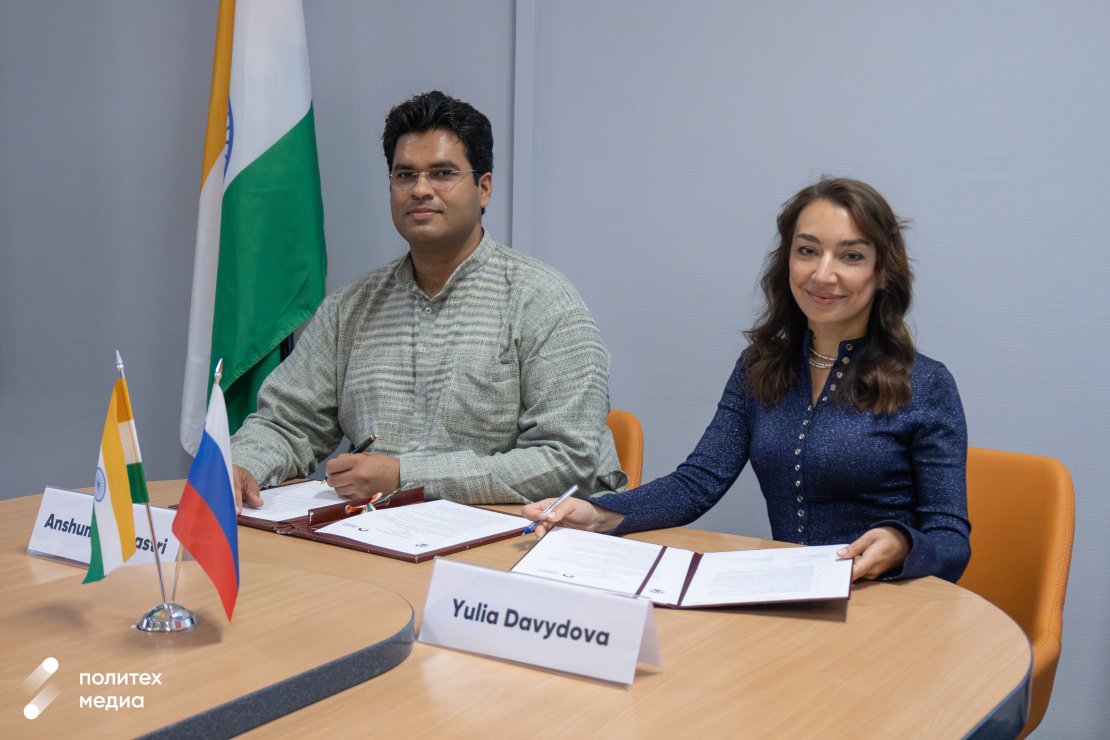
On August 27, 2026, Moscow Polytechnic University welcomed a delegation from Banasthali Vidyapith, one of India’s leading universities. The visit marked a new step in the development of Russian-Indian academic cooperation and concluded with the signing of a Memorandum of Understanding between the two universities.
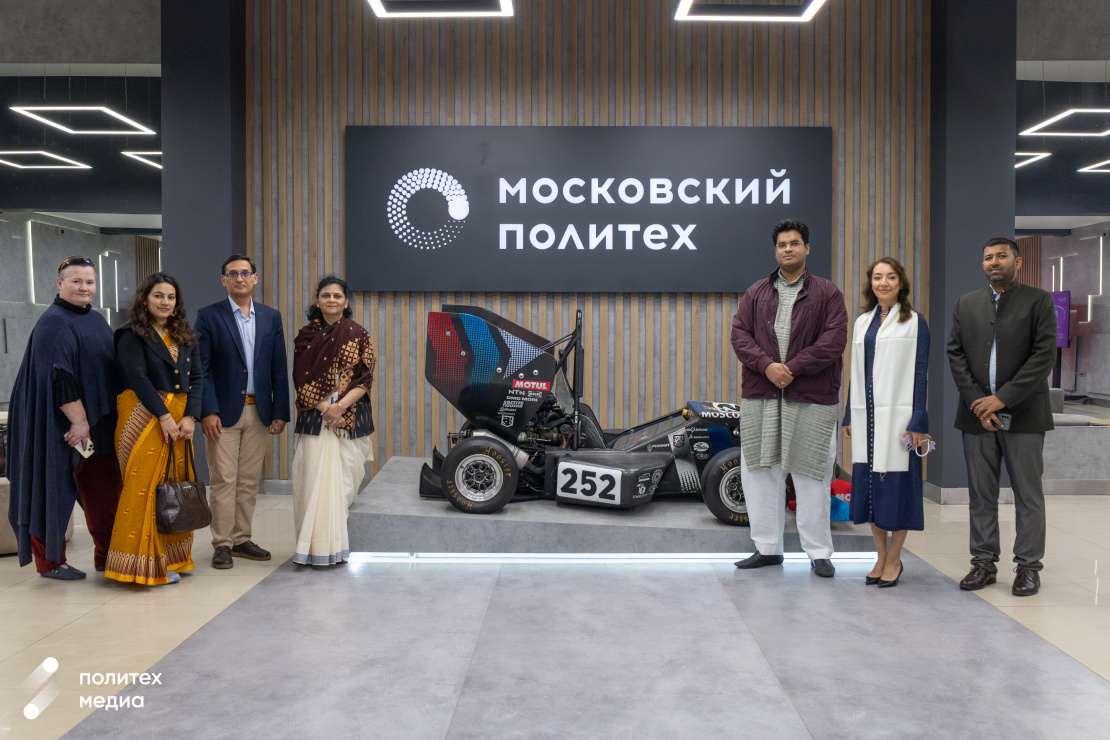
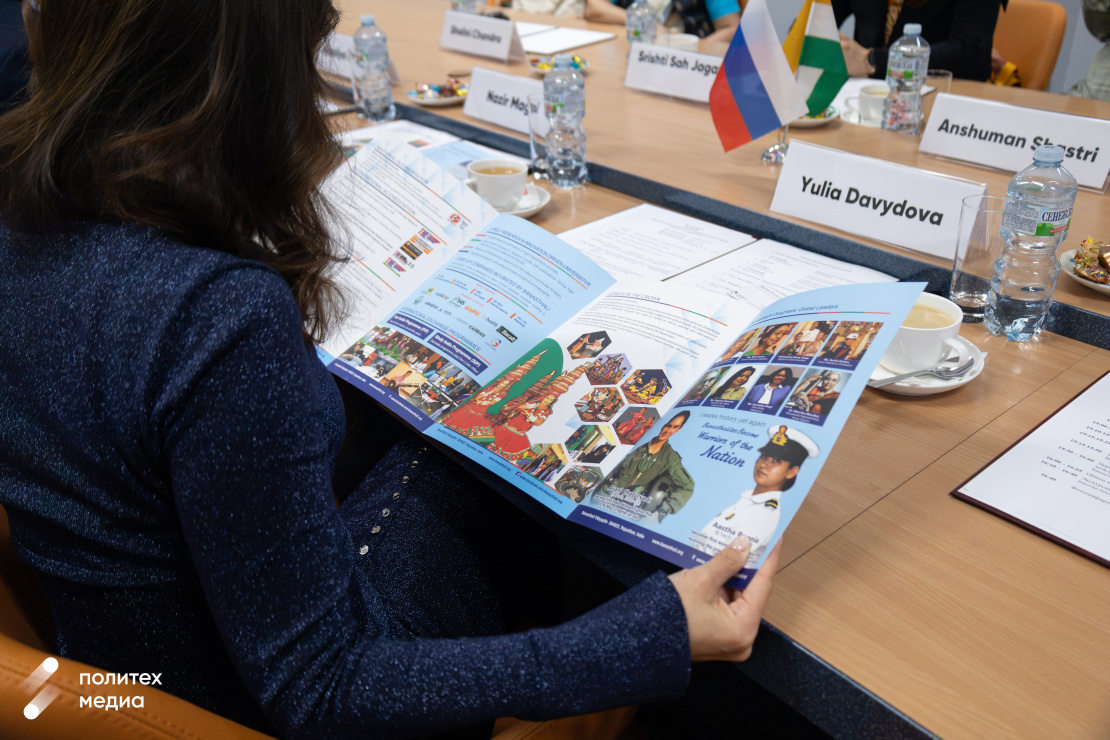
The Banasthali Vidyapith delegation included Professor Anshuman Shastri, Director and Head of International Relations at Banasthali Vidyapith; Dr Manish Ranjan; Professor Shalini Chandra; and Dr Srishti Sah Jagati.
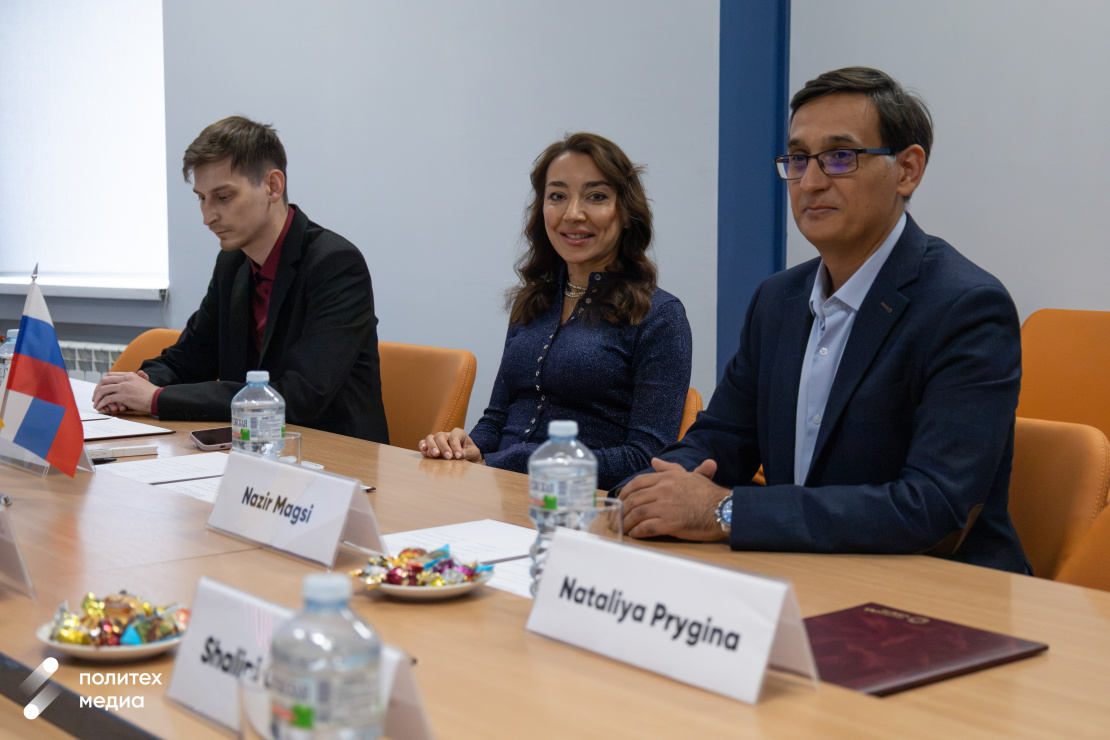
Moscow Polytech was represented by Vice-Rector for International Affairs Yulia Davydova; Nazir Magsi, Lecturer at the Department of Management; Natalia Prygina, Senior Lecturer at the M. F. Nenashev Department of Journalism and Mass Communications; and Igor Smolianoy, Head of the International Programmes Department.
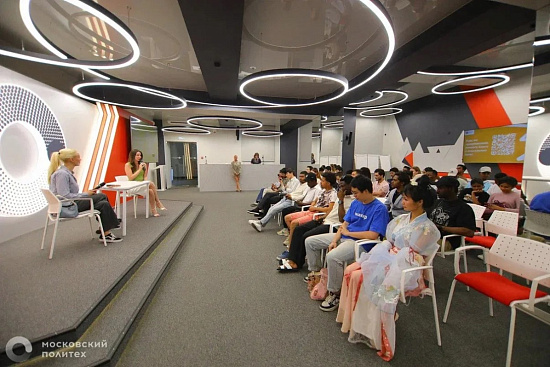
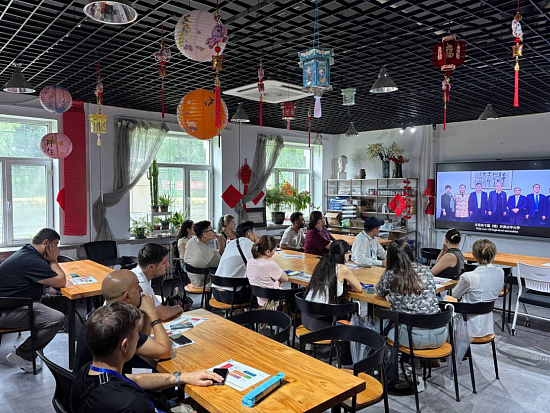
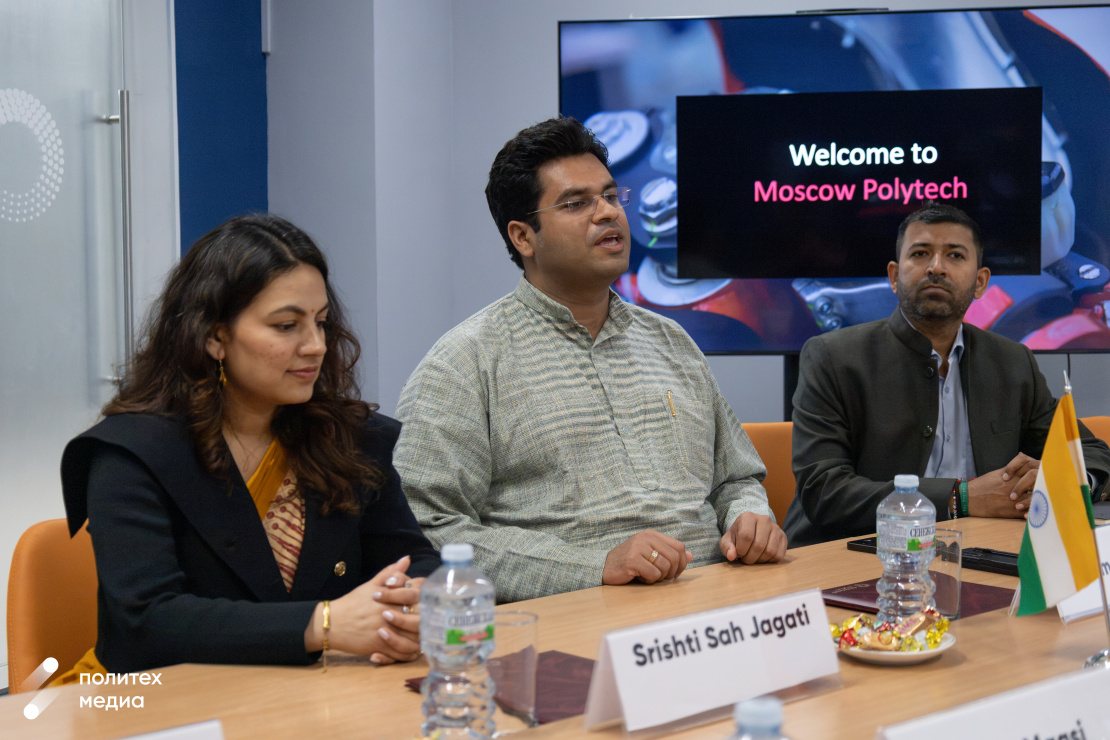
During the meeting, representatives of the two universities discussed promising areas of cooperation and exchanged views and proposals on the development of joint educational and research initiatives, academic mobility, and potential opportunities for students and faculty members to participate in collaborative projects.
A particular focus of the visit was Moscow Polytech’s project-based learning model. The Indian delegation toured the laboratories of the Advanced Engineering School for Technological Leadership (FDR), wh ere the guests were introduced to the University’s current projects and technological developments.
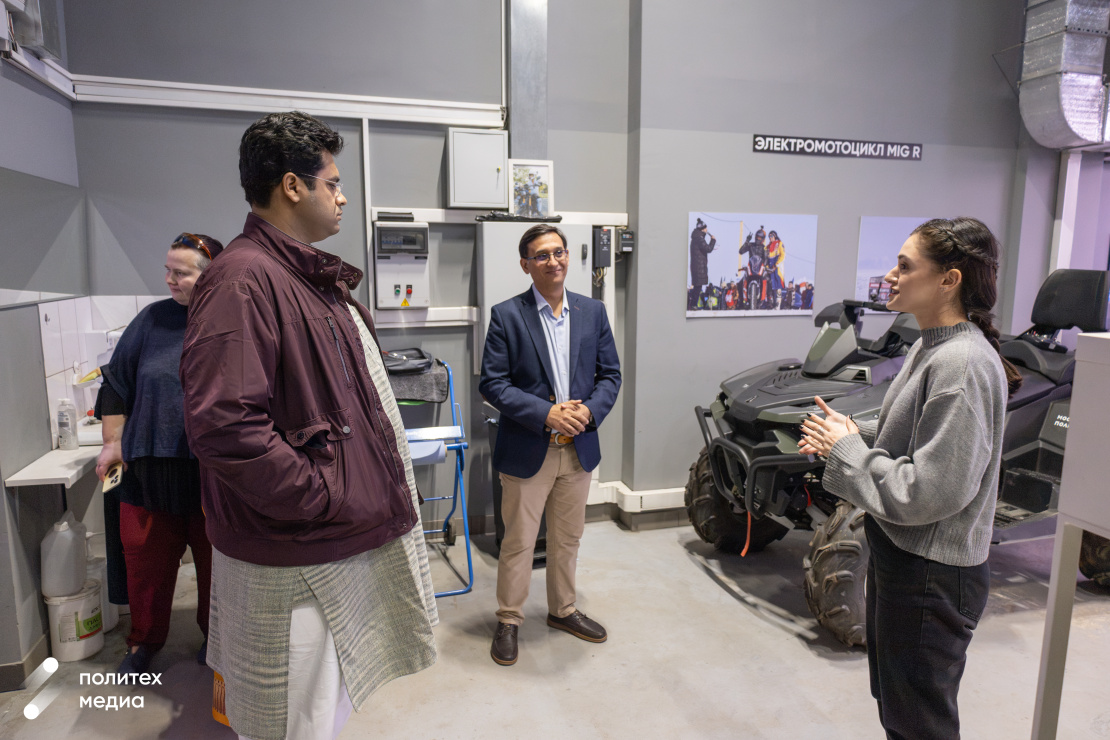
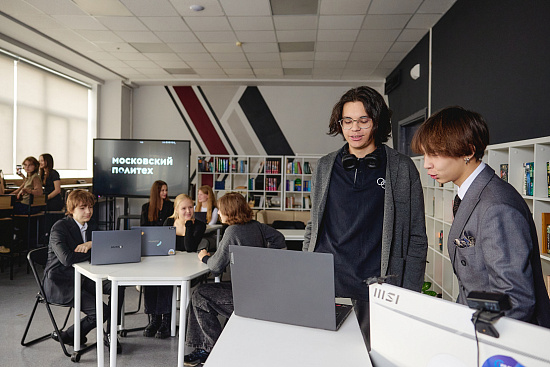
The Banasthali Vidyapith representatives showed considerable interest in Moscow Polytech’s approach to project-based learning, which enables students to contribute directly to real-world engineering, technological, and entrepreneurial challenges while pursuing their studies. Project teams bring together students from a wide range of academic backgrounds, including engineering, information technology, design, economics, and management.This interdisciplinary approach not only facilitates the development of comprehensive technological solutions but also creates an environment in which students can strengthen their professional competencies, learn to work effectively in teams, and gain an understanding of the entire project lifecycle from an initial idea to its practical implementation.
The representatives of the Indian university highly praised the projects presented during the visit and expressed an interest in further exploring Moscow Polytech’s experience in project-based education.
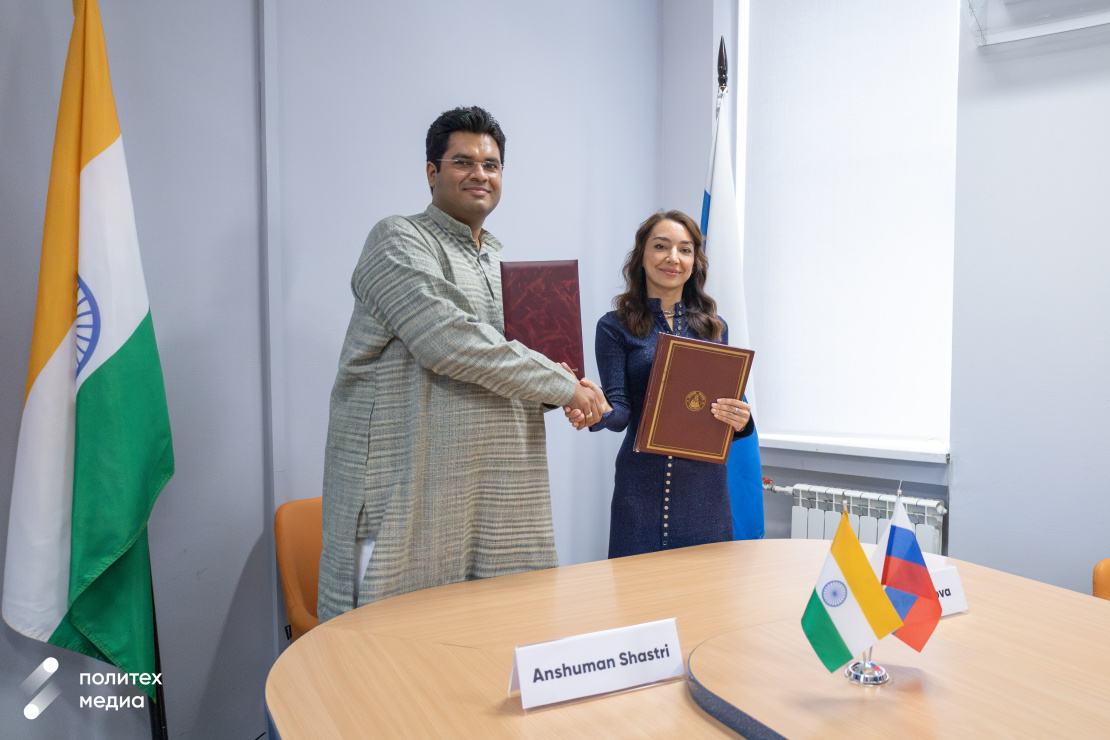
The key outcome of the meeting was the signing of a Memorandum of Understanding between Moscow Polytechnic University and Banasthali Vidyapith. The document formalised the universities’ intention to develop long-term cooperation and laid the foundation for launching joint educational, research, and academic initiatives.
The meeting provided an opportunity not only to identify promising areas of partnership but also to take an important step towards establishing lasting ties between the Russian and Indian universities. The next stage will involve translating the areas of cooperation outlined during the meeting into specific joint projects and programmes.