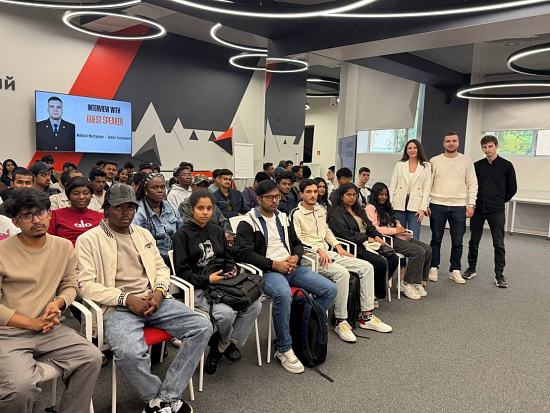
International Youth Festival Discusses Adaptation of International Students Entering Russian Universities
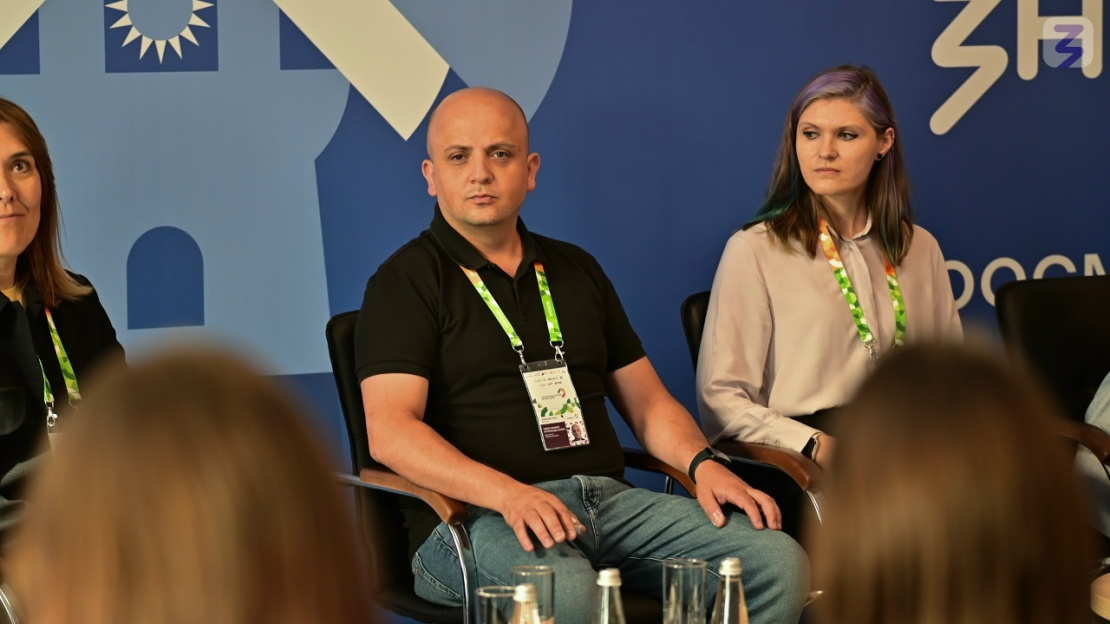
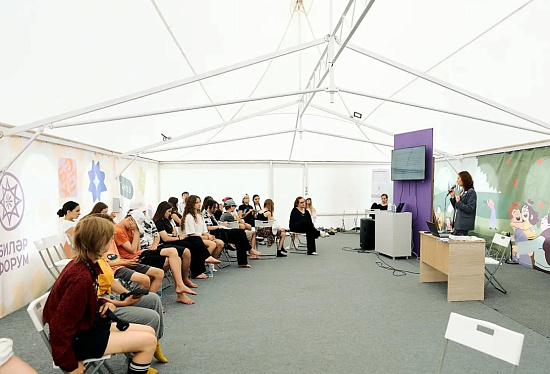
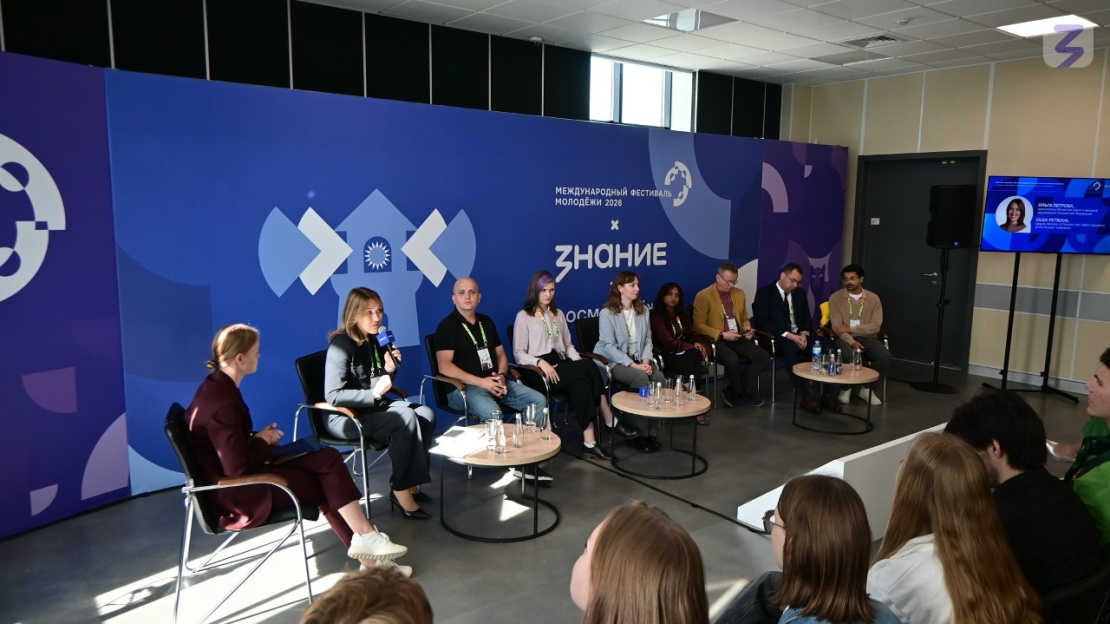
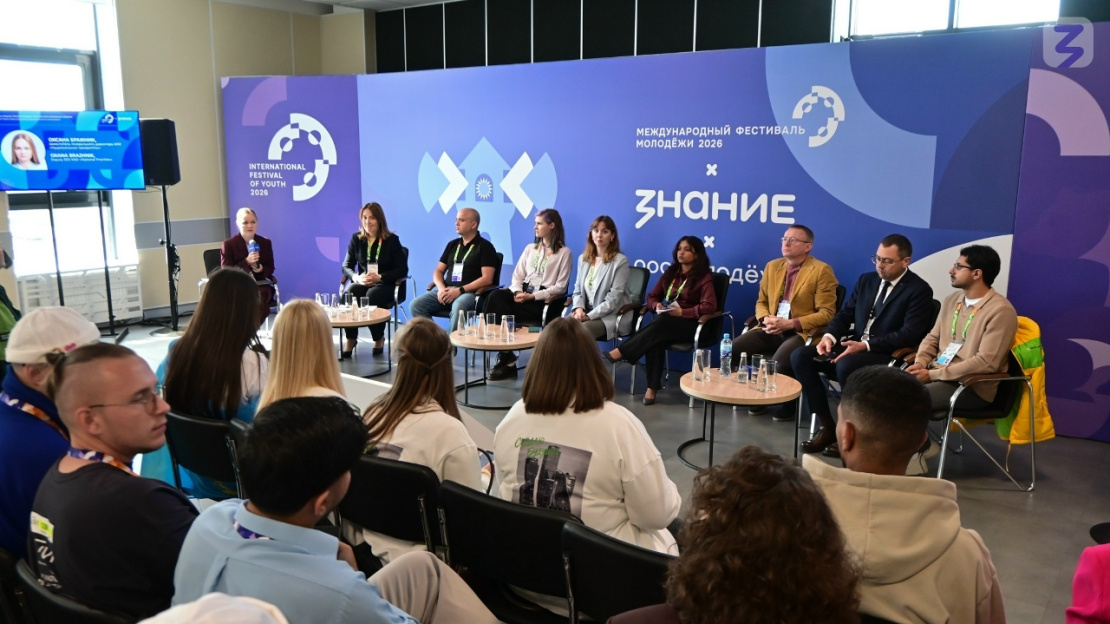
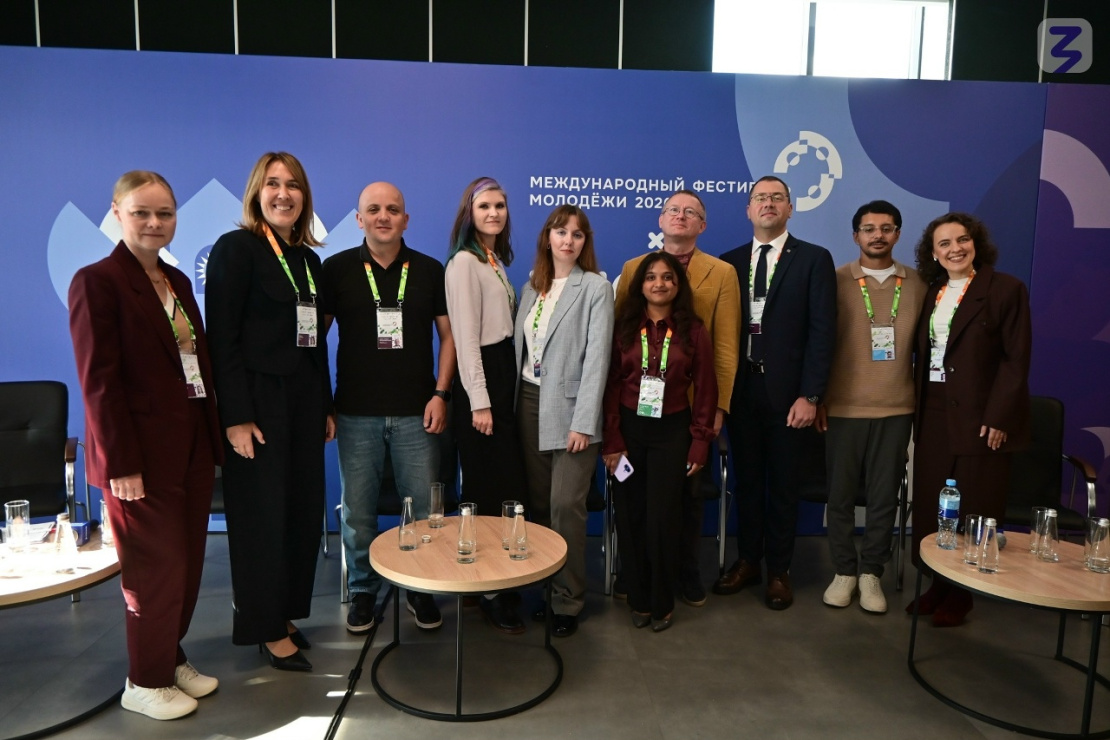
On September 13, as part of the business programme of the International Youth Festival in Yekaterinburg, a session titled “Education in Russia: From the First Choice to the Profession of the Future” was held. The participants discussed the journey of an international student in Russia, including choosing a university, adapting to a new environment, studying and gaining practical experience, and building a professional career.
“Today, there are more than 422,000 international students in our country — thousands of stories, each of them unique. Behind every figure is a person’s life and individual journey. By choosing to study in Russia, young people take a very important step. They build their professional future, connect it with our country and place their trust in us. We are responsible for helping them succeed. I would like to sincerely thank our colleagues who do everything possible to make international students feel comfortable and at home!” said Olga Petrova, Deputy Minister of Science and Higher Education of the Russian Federation.
The session was attended by Abdessamad Menasria, who came to Russia from Algeria, graduated from Tambov State University, became a surgeon and continued his studies as a postgraduate student. He noted that intensive university classes, regular communication and participation in various youth festivals played a major role in helping him learn Russian and adapt to life in the country.
Chamat Sakshi Shyam, an Indian student at Immanuel Kant Baltic Federal University, is studying General Medicine under a programme adapted to the requirements of the Indian market. After graduation, she will be able to have her degree recognized in India and work as a doctor. Chamat Sakshi said that before moving to Russia, she was concerned about the cold weather, but in reality, Kaliningrad’s climate turned out to be milder than she had expected. Another challenge was the Russian language. Special classes at the university helped her improve her Russian and also gave her an opportunity to meet students from different countries.
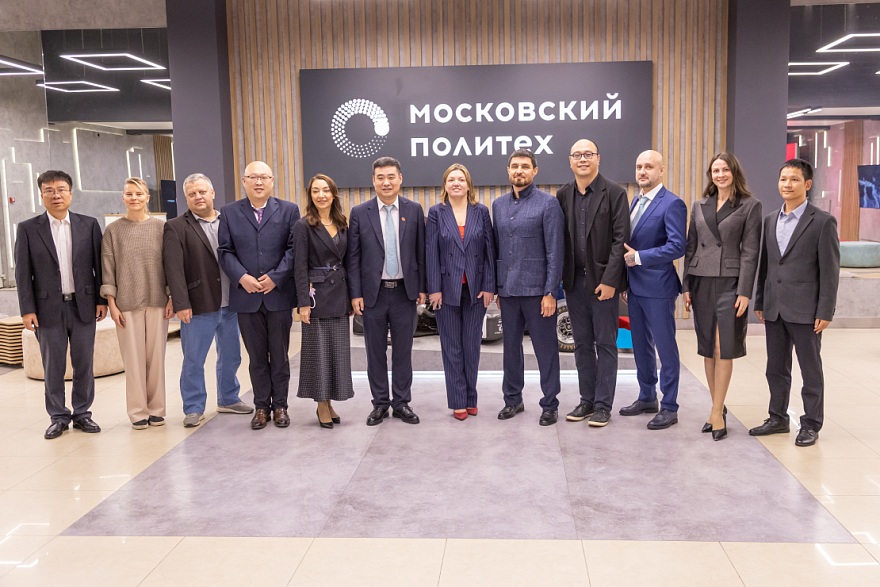
Pablo Iturralde, Director of the FDR Advanced Engineering School of Technological Leadership at Moscow Polytechnic University, also took part in the session. He came to Russia from Ecuador 23 years ago. According to him, students travel thousands of kilometres from home with a dream, and it is the university’s responsibility to help them fulfil it rather than disappoint them. For an engineer, for example, a working project is one of the main indicators of high-quality education, rather than a diploma alone. Students should be able to see the practical value of their work and, whenever possible, test their skills in international competitions. While studying in Russia, Pablo, with the support of the university administration, found an opportunity to assemble a team of students and build more than 30 cars and motorcycles. Today, as Director of the FDR School, he continues to share this experience with his students.
Sergey Tushin, Vice-Rector for International Relations at Ural Federal University, believes that preparation for moving to Russia should begin even before the journey. Prospective students should be informed in advance about what to expect in Russia, in their particular city and at their university. After arrival, they should be welcomed and guided through their first everyday and administrative procedures. Among UrFU’s key tools in this area, he highlighted the work of national student communities that help newcomers adapt to a new environment, Russian language learning, support in dealing with psychological and financial difficulties, as well as training university staff to work with international students.
Ekaterina Shilova, Deputy Director of the New Admissions Department at Immanuel Kant Baltic Federal University, noted that, based on the university’s experience, one of the first challenges international students face is its distributed infrastructure: university buildings are located in different parts of the city, making it difficult for newcomers to find their way around. To address this issue, the university has introduced a mentoring system in which senior students organize events, answer questions and help international students communicate with the university administration. Particular attention is also paid to explaining migration legislation. Ekaterina Shilova added that the main advice for prospective students is to start learning Russian before arriving in the country. Russian is needed when using public transport, dealing with everyday matters, completing medical training and communicating with others. Without at least an intermediate level, it is more difficult to understand the culture and fully engage in life in Russia.
The importance of learning Russian was also emphasized by Pavel Moiseev, Rector of Derzhavin Tambov State University. As an example, he referred to the university’s practice of adapting its curricula, which included tripling the number of Russian language classes. According to the Rector, proficiency in professional Russian is essential for successfully mastering a chosen field of study. However, Pavel Moiseev stressed that providing opportunities to learn everyday spoken Russian is equally important. It helps international students make new friends, deal with everyday issues and reduce stress during their adaptation to life in Russia.
To address this need, the university established the international Russian language club “In the Heart of Russia.” In 2026, the project received support from Rosmolodezh. Today, any international student in the Tambov Region, regardless of their university, can join the club and study the Russian language and culture free of charge in an informal environment.
Pavel Moiseev also spoke about the university’s experience in providing international students with additional qualifications outside their main field of study as part of the Priority 2030 programme. For example, many African medical students plan to open their own clinics and therefore need competencies in healthcare management. The university gives them an opportunity to obtain an additional qualification in this field.
Nadezhda Panibratova, Head of the Department for Social Adaptation and Support of International Students at Tomsk State University, identified direct communication as the key tool for working with international students. According to her, in some Asian cultures, students may be reluctant to ask a lecturer to repeat or clarify something they have not understood. As a result, gaps in understanding can gradually lead to academic difficulties. The university team therefore monitors such situations and acts as an intermediary between students, lecturers and faculties. It helps students understand deadlines, retake procedures and the requirements for improving their grades. Nadezhda Panibratova gave an example of a student whose academic performance was successfully improved with this support, enabling the student to eventually graduate.
At the end of the session, moderator Oksana Brazhnik, Deputy Director General of the ANO National Priorities, spoke about the WOW! Russia competition. Launched in 2025, the competition brought together international students from Russian universities who run social media accounts and share their experiences of living and studying in Russia. Winners take part in a special workshop and gain access to other events. The second season of the competition will be launched in September.