FDR School Faculty at the "Homeland Is People. Professionals of the Future" Meeting
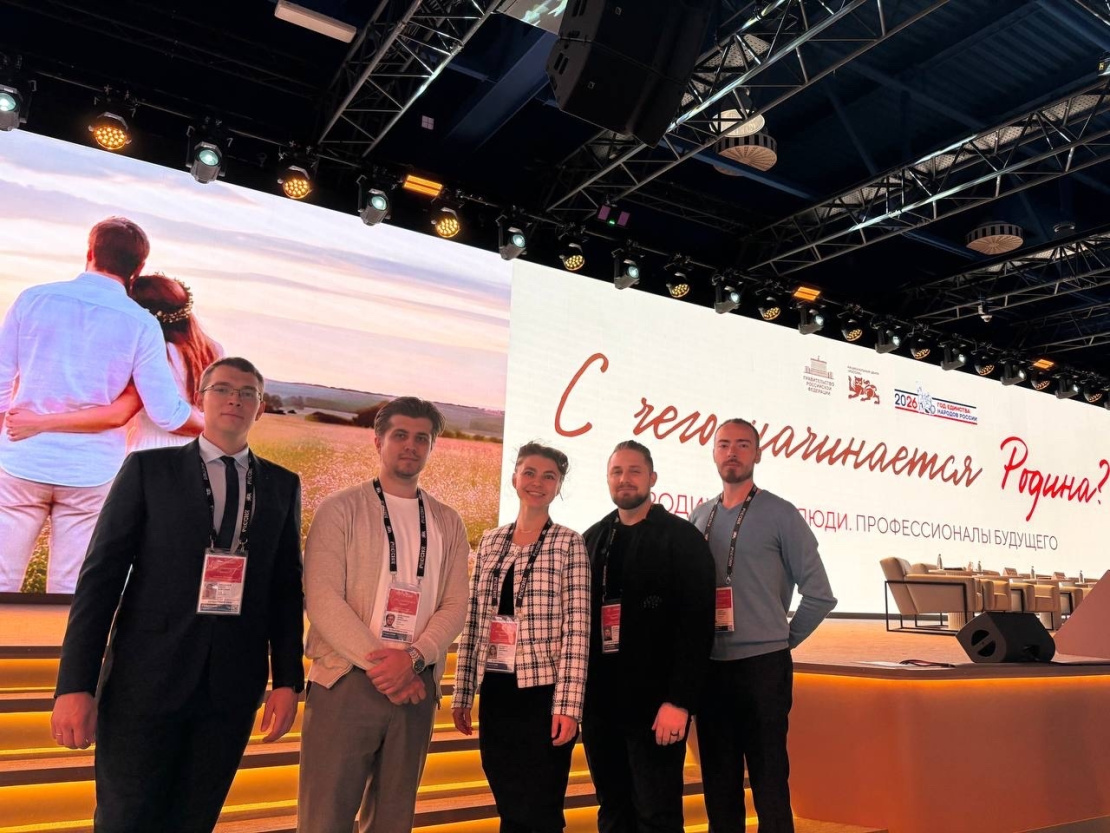
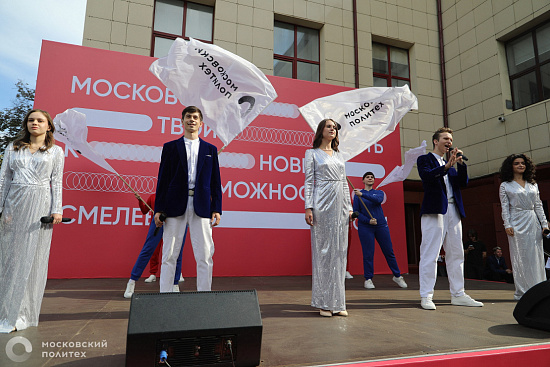
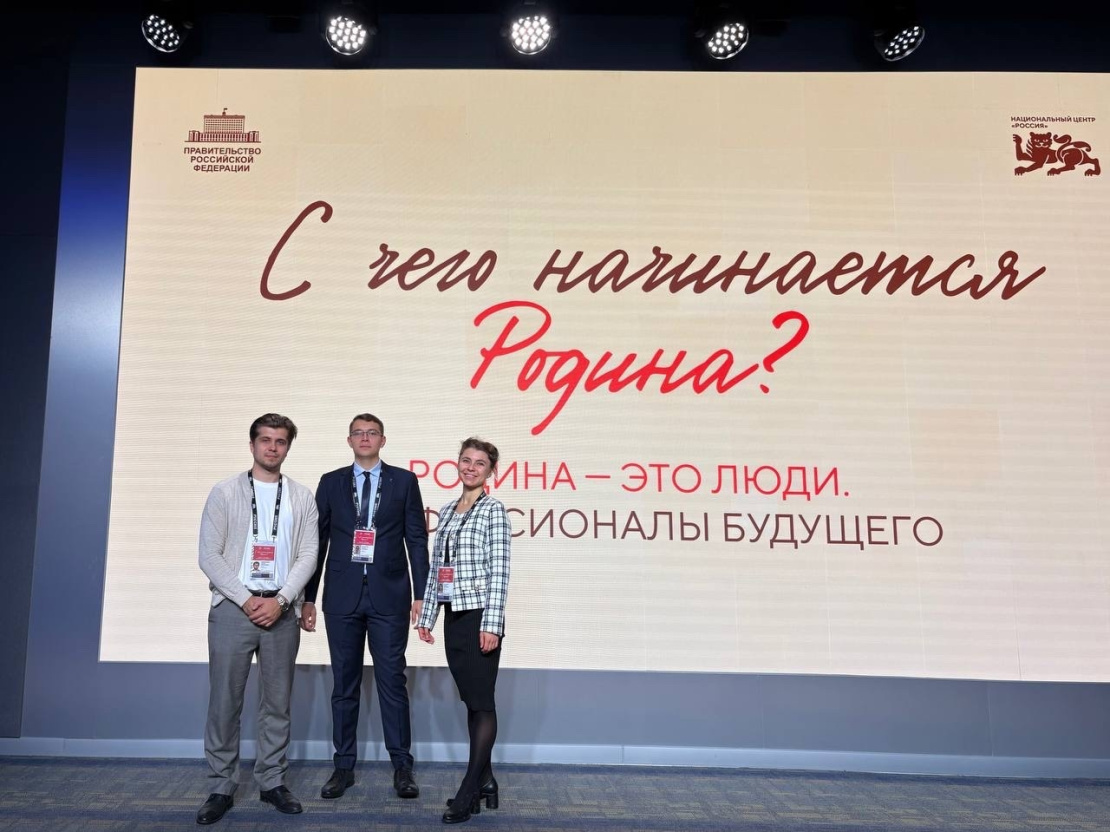
On September 15, the National Center "Russia" in Moscow hosted a thematic meeting, "Homeland Is People. Professionals of the Future," as part of the nationwide project "Where Does the Homeland Begin." The event brought together more than 600 participants fr om 47 regions of Russia and 8 foreign countries.
The event was attended by seven faculty members of the FDR School: Artyom Dubrovsky, Roman Maksimov, Alexander Kudrin, Maria Astashina, Vladimir Ershov, Andrey Shibakov, and Alexander Zavatsky.
The central event of the meeting was an address by Deputy Prime Minister of the Russian Federation Dmitry Chernyshenko. Participants discussed the development of Russian education, the training of in-demand specialists, support for young talent, the development of engineering education, scientific and technical creativity, and new opportunities for young people's professional fulfillment.
Particular attention was paid to the training of engineering personnel and practice-oriented education. Today, an important task for universities is to create conditions under which students can take part in solving real scientific, technological, and industrial problems while still studying.
Artyom Dubrovsky, a faculty member in artificial intelligence at the FDR School, emphasized the special importance of modern digital technologies in training the next generation of specialists:
"Today, artificial intelligence is gradually becoming not just a separate field of study, but a tool that permeates almost every professional sphere. This is especially noticeable in engineering specialties, wh ere AI technologies are already used in design, the analysis of large data sets, the creation of intelligent control systems, robotics, and the automation of production processes. Therefore, one of the important tasks of a modern teacher is to teach students not only to use ready-made AI tools, but also to understand the principles behind their operation, to see the possibilities for their practical application, and to create their own technological solutions based on them."
The participation of the university's faculty in events of this level contributes to the exchange of professional experience, familiarization with current trends in the development of Russian education, and the further introduction of modern educational and technological approaches into the academic process.