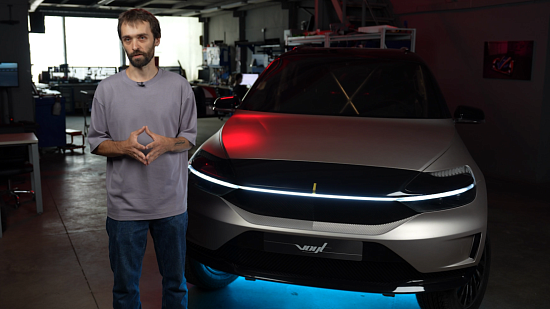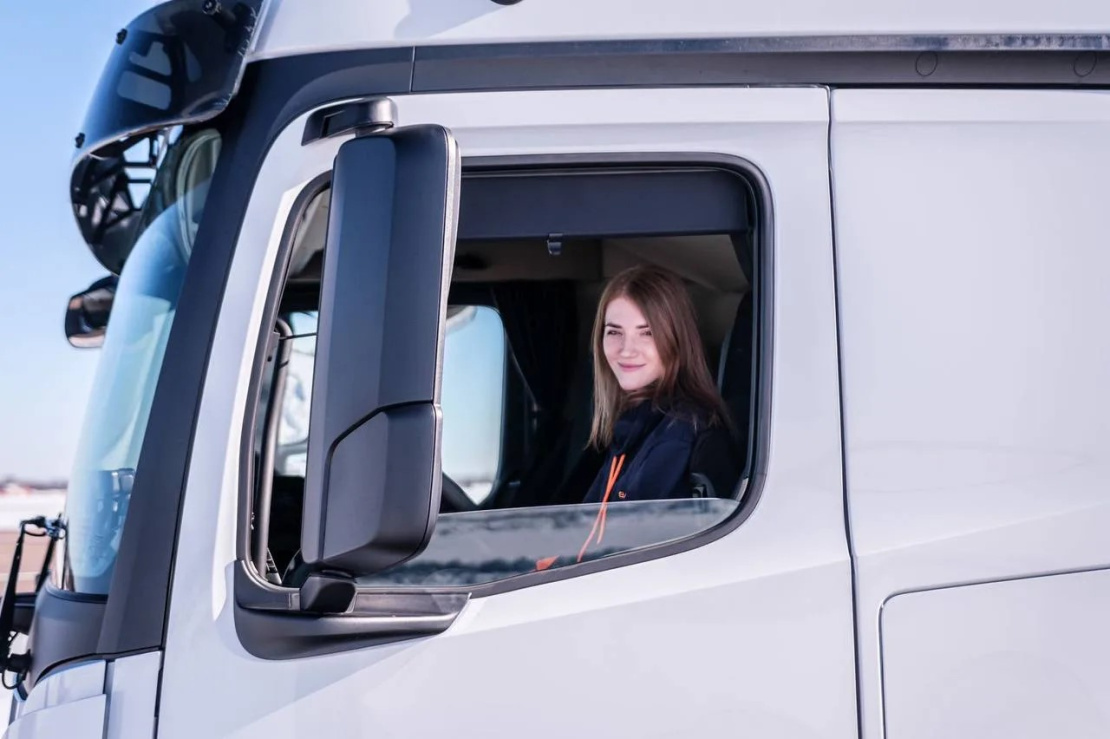
Moscow Polytech is developing a comprehensive safety monitoring and management system for automated vehicles during operation. The system will detect failures, analyze operational parameters, and predict risks in real time. The project was featured by the Kommersant newspaper.
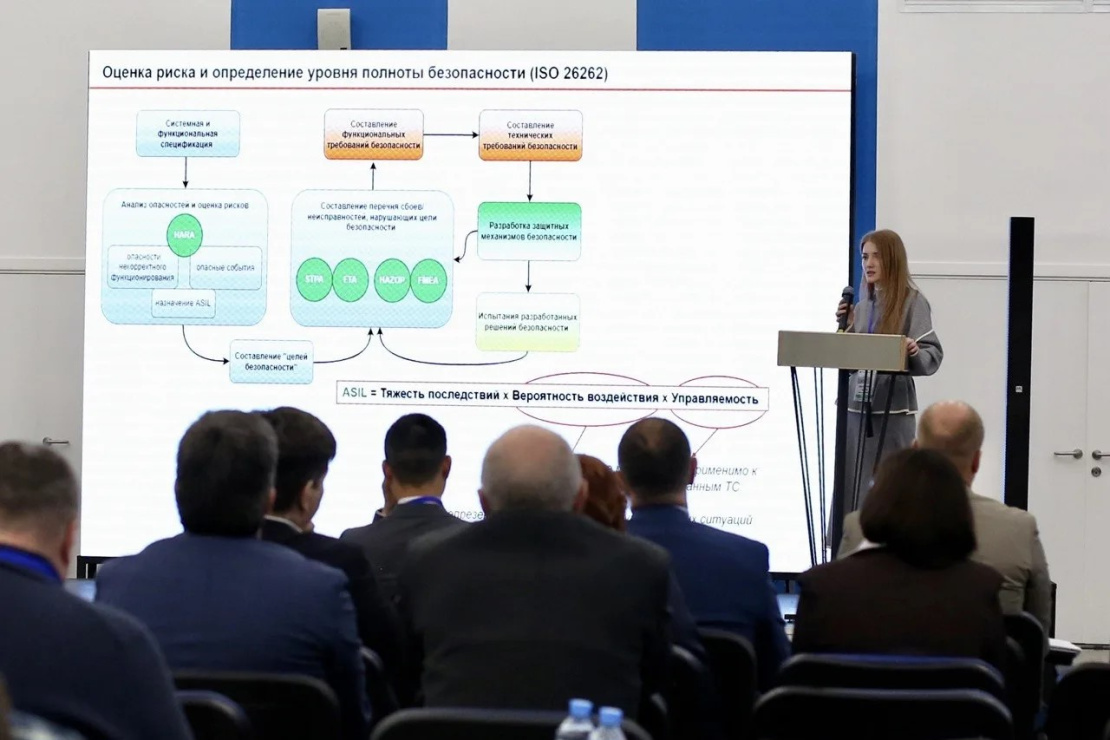
The project is led by Daria Makarova, PhD in Technical Sciences and a specialist in automated transport control systems, who contributed to the development of Russia's first highly automated long-haul truck. The research is being implemented with the support of a grant named after P.L. Kapitsa from Moscow Polytech under the federal "Priority 2030" program.
"Current approaches to ensuring the safety of automated vehicles do not cover the full range of potential risks. Failure response algorithms are not structured according to levels of criticality, and data on the technical condition of regular vehicle systems are not integrated into the operation of the automated driving system. We are developing a methodology that takes into account the entire spectrum of risks, from software failures to the degradation of mechanical systems and cybersecurity threats," said Daria Makarova.
The system under development will address five categories of risk: failures of behavioral control algorithms, degradation of system characteristics caused by external factors, malfunctions of regular vehicle systems, improper vehicle operation, and cybersecurity threats. The algorithms will analyze telemetry data and automated driving system parameters, while the system's response to the identified risk will depend on the severity of the possible consequences – from warning the operator to automatically placing the vehicle into a minimal risk mode.
The issue is particularly important for the prospect of a fully autonomous vehicles operating without a driver or onboard operator. In this case, the system must independently detect not only software failures of the automated driving system but also malfunctions of the vehicle's mechanical and electronic components that are critical to road safety. As the number of automated vehicles being tested on Russia's public roads continues to grow, the need for such monitoring tools is becoming increasingly important.
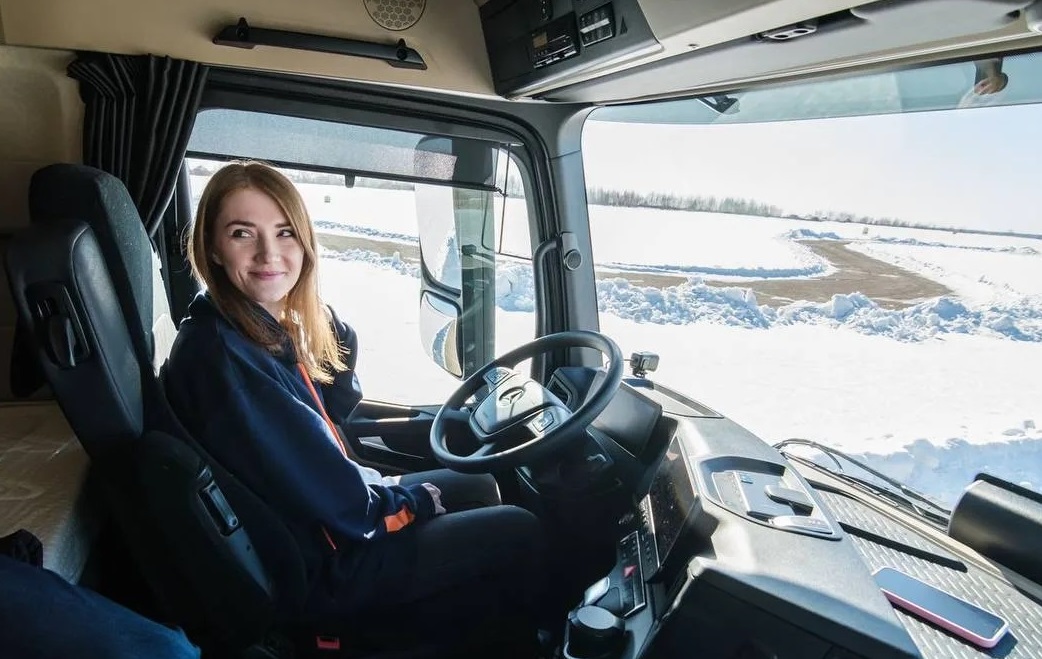
The methodology is designed for SAE Levels 3, 4, and 5 automated vehicles. This international standard describes the degree of human involvement in vehicle operation, ranging from partial automation of specific driving functions to fully driverless operation. The system prototype can be deployed either on the vehicle's onboard computer, on edge devices within intelligent transport infrastructure, or in a cloud environment.
The project team plans to collaborate with KAMAZ Group on the implementation and further deployment of the developed solutions.