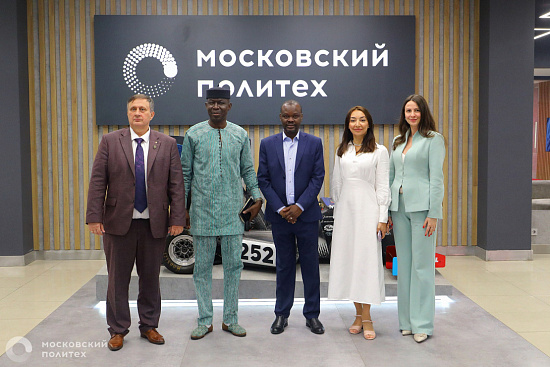
Moscow Polytechnic University students learn how to create modern media product at master class.
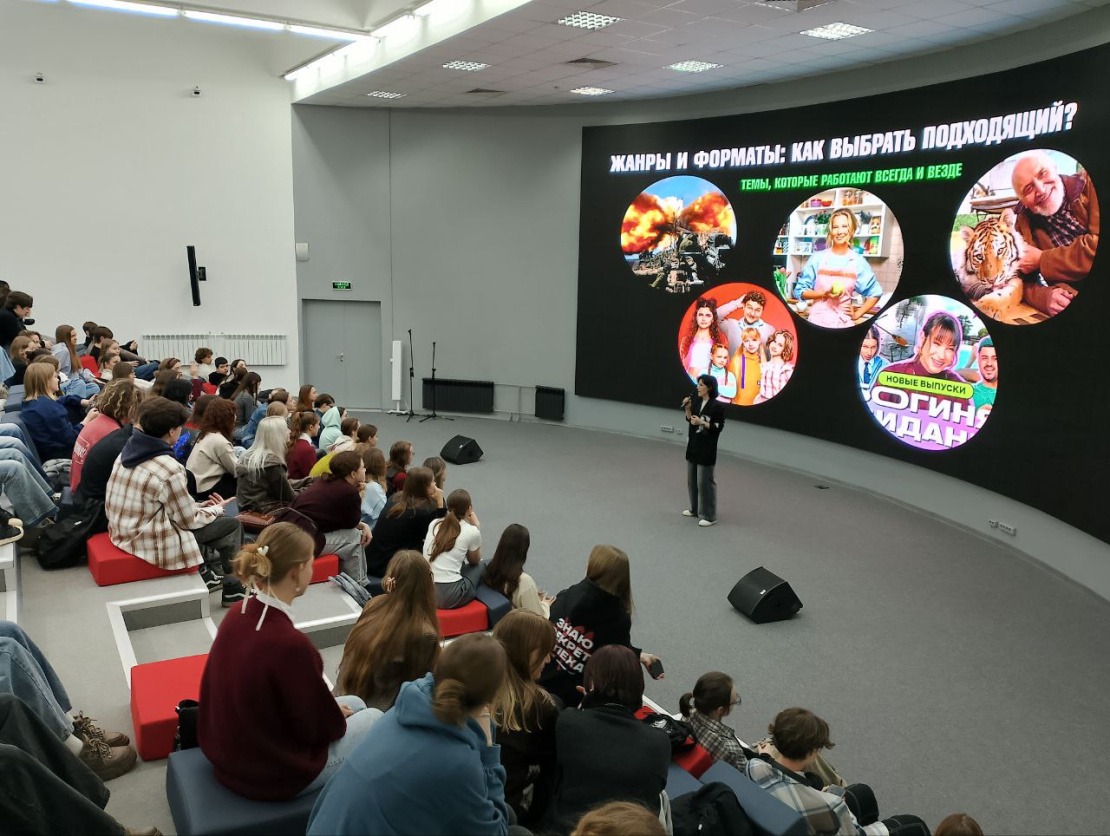
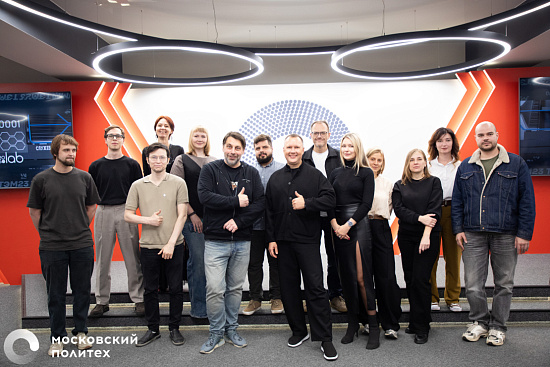
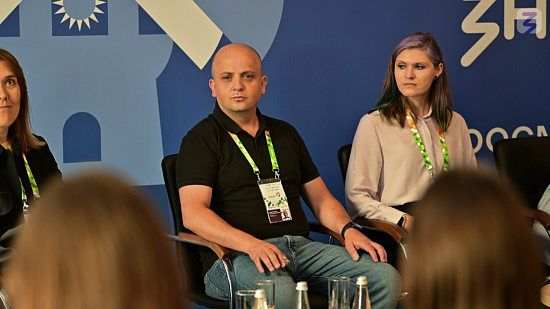
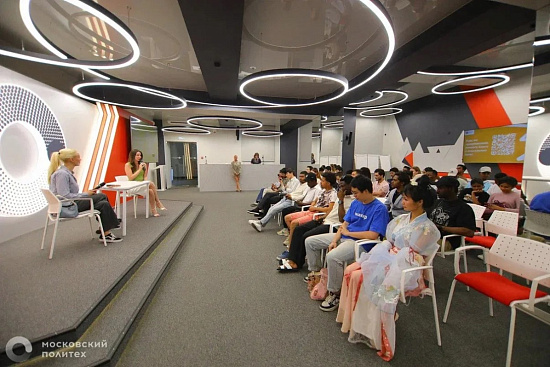
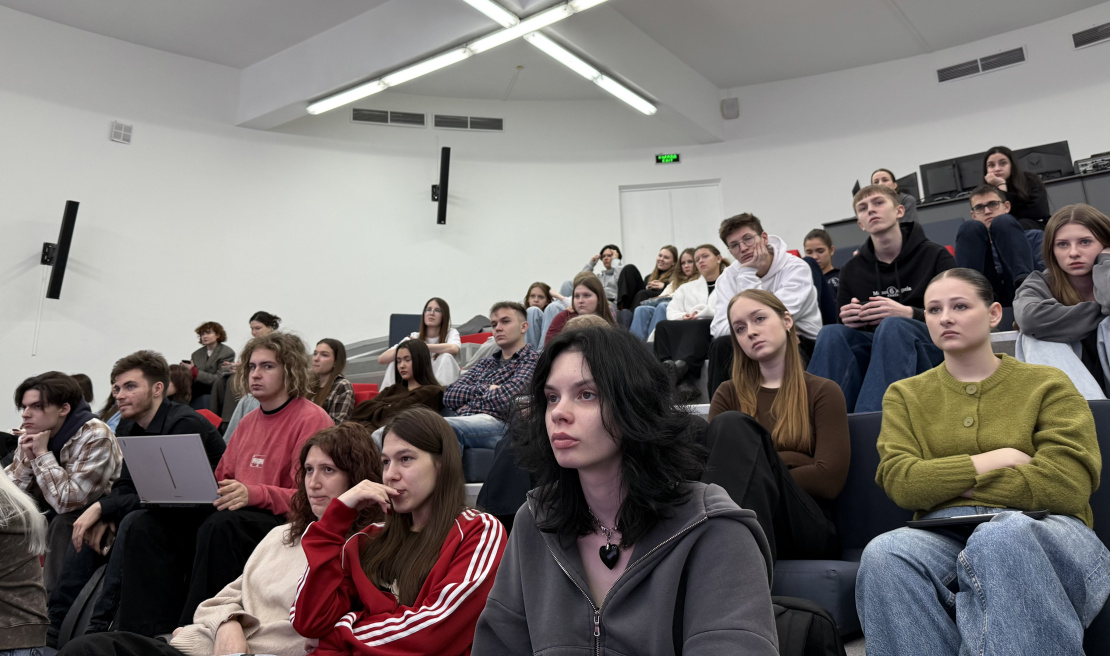
Documentary project producer Anna Kolodezneva held a master class at the ART POLYTECH cluster. The event was dedicated to finding a hero and creating compelling stories for modern media. Students from the Moscow Polytechnic University's Faculty of Publishing and Journalism attended.
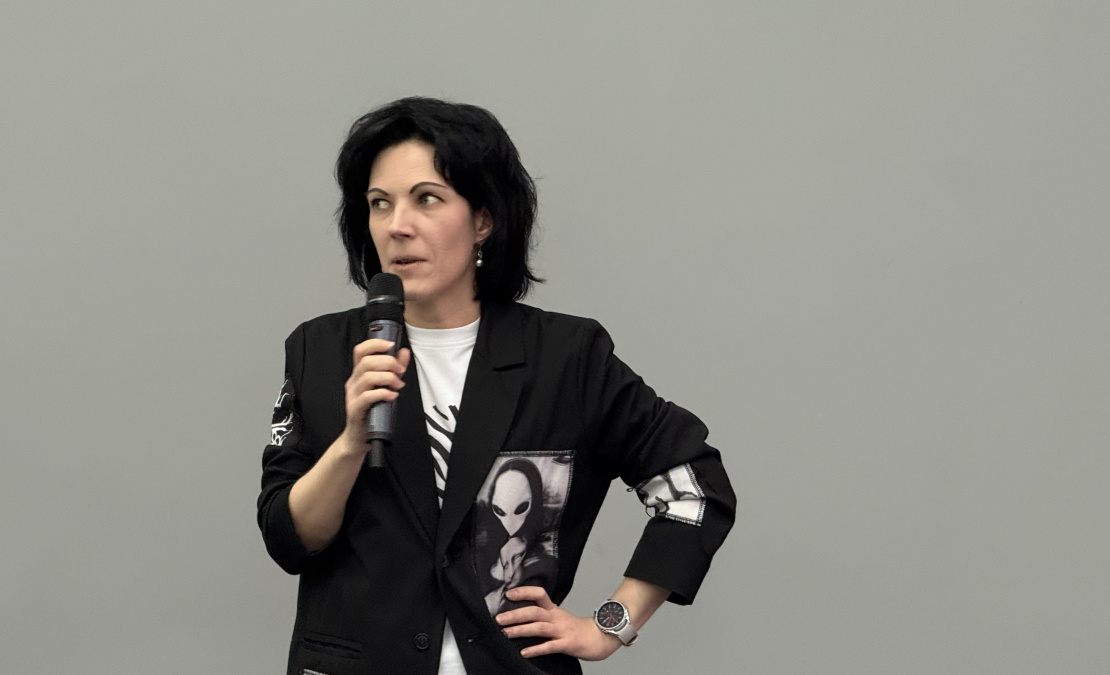
The master class began with a discussion of the role of video in the modern media environment. Anna emphasized that visual stories are becoming the primary means of conveying reality, emotions, and meaning. During the discussion, the expert noted that the students already have a good understanding of the specifics of working with video content, which is becoming an important professional skill.
One of the main topics of the meeting was artificial intelligence and dealing with unreliable content. Anna dissolved the wide-spread fear that AI would replace journalists.
“Is it true that AI will replace us all? Absolutely not, of course! Yes, AI helps a lot but it’s not capable of replacing humans in spheres wh ere meaning, empathy and context matter.”
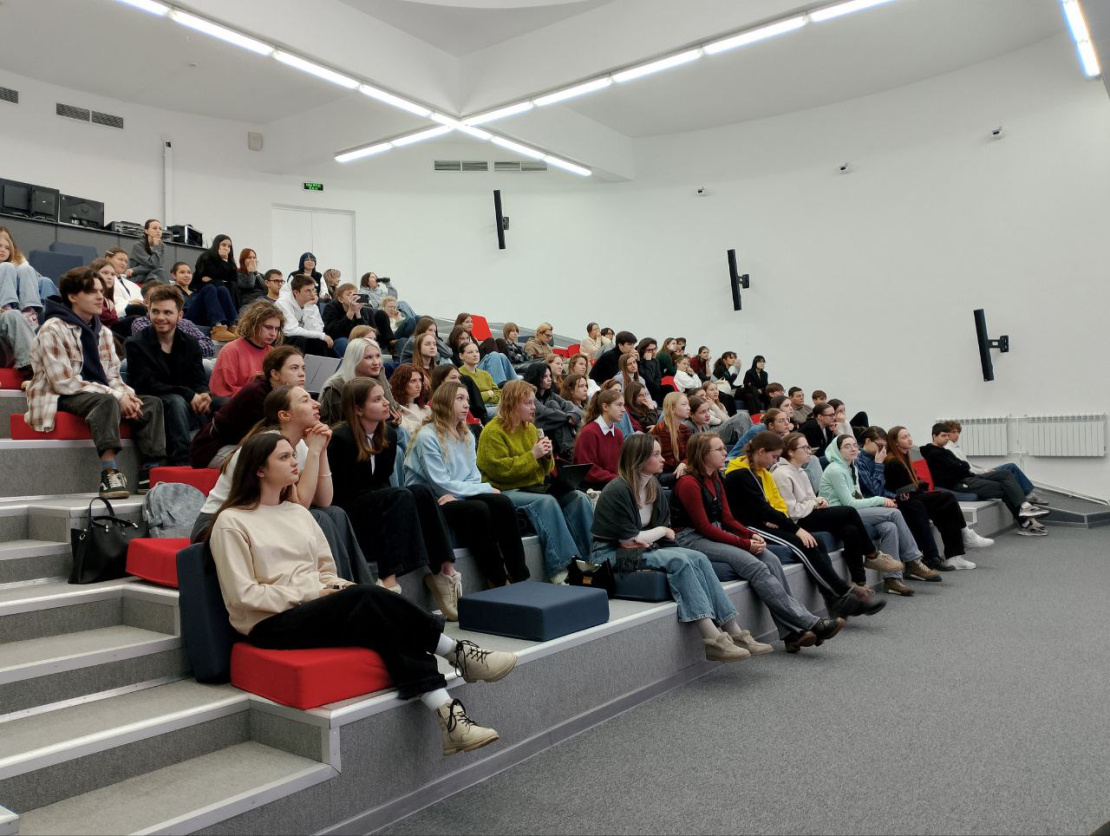
The producer explained that the most important qualities for a journalist in the era of AI fakes are fact-checking and the ability to work with primary sources.
The expert paid special attention to the theme of hero image. Participants in the dialogue-based masterclass discussed how an expressive documentary story relies not on editing and effects, but on a living person capable of evoking a response. Speaking about media consumption trends, Anna emphasized that, contrary to popular belief, television isn't dying.
"The audience moves between platforms in waves, responding not to the format, but to the quality of the content," the producer explained.
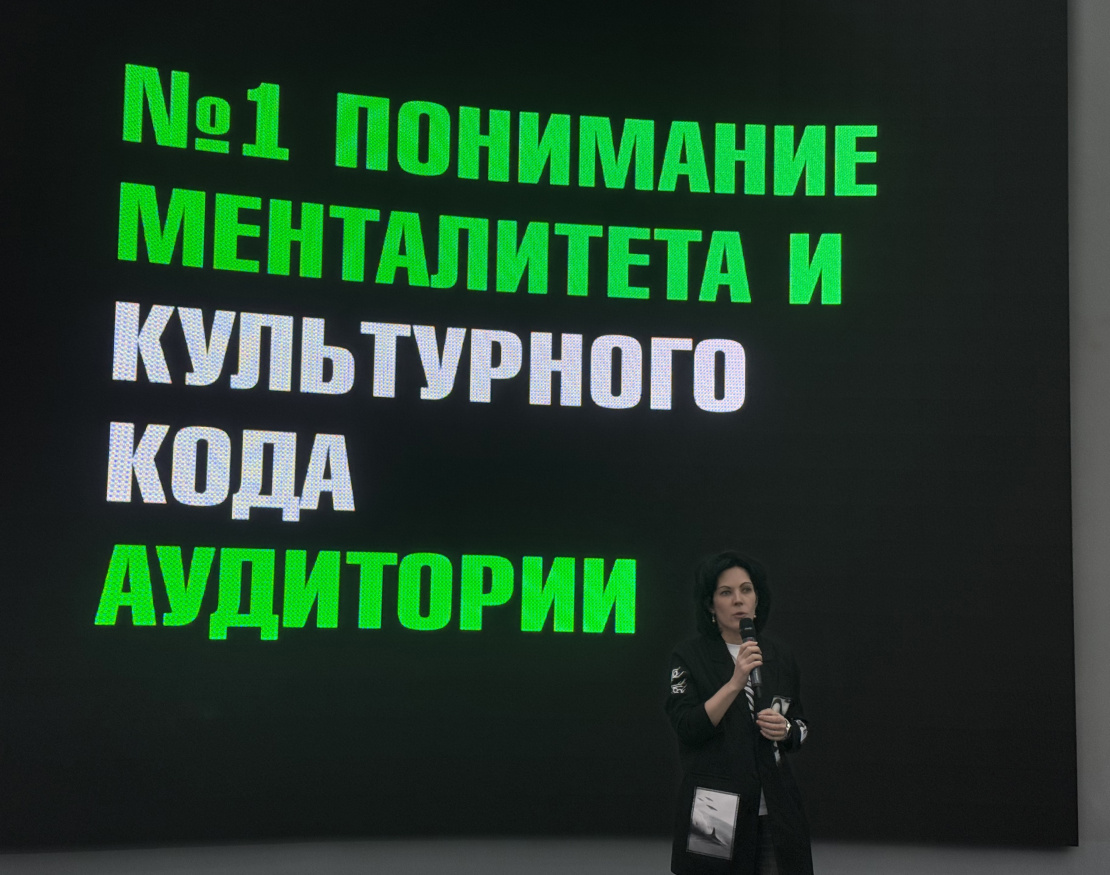
The masterclass concluded with questions and practical advice for young journalists: how to start their careers correctly and cope with setbacks.
"I was captivated by how Anna talked about how viewers glean meaning not only fr om words, but also from frame details, the character's behavior, and even from pauses. I also liked that she shared relevant examples from the media wh ere this works particulary well. And it was great that it was a dialogue, not a monologue - we discussed and thought through our thoughts out loud. "It's nice when someone wants to hear you," shared fourth-year student Polina Komogortseva.
Students also noted that the meeting was "inspiring and lively," and the speaker's advice was applicable to real-life work.
Background: Anna Kolodezneva’s portfolio includes more than 300 documentaries and more than 50 films. Among them: “Stretching the time” (2021), “The secret history of food” (2021), “Space. The field of nuclear war” (2025).