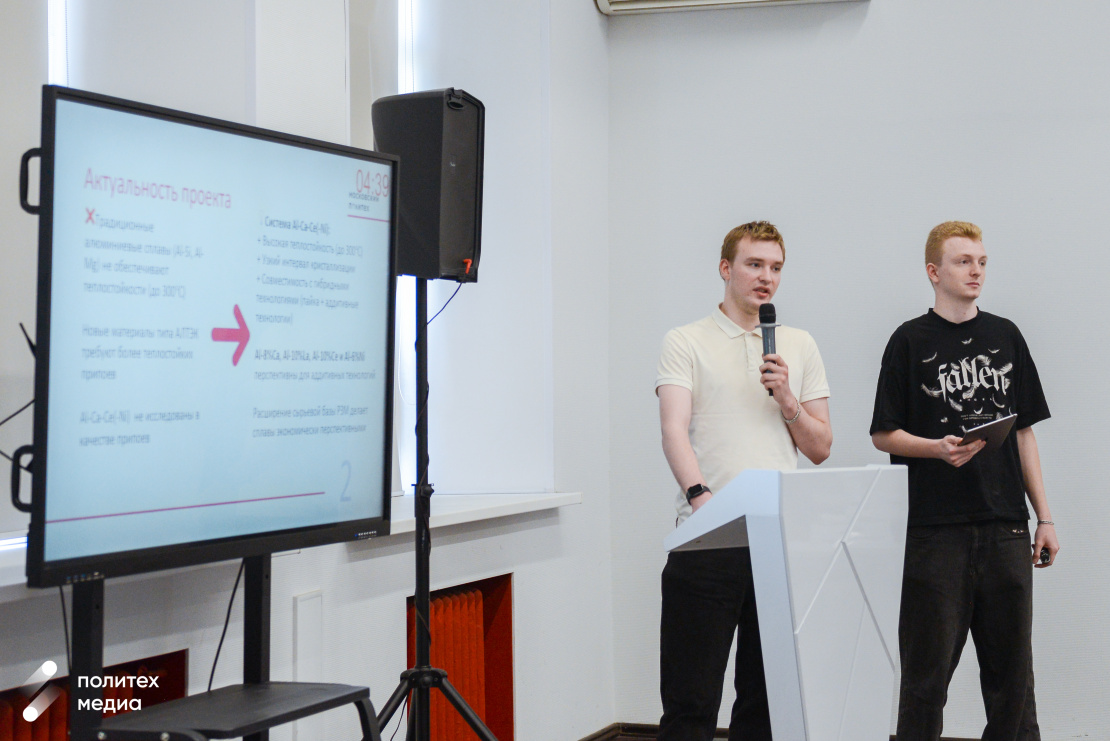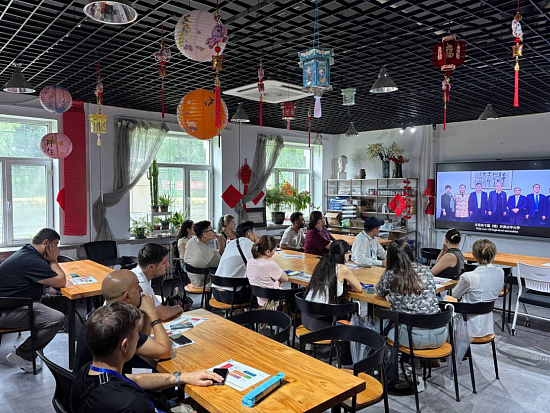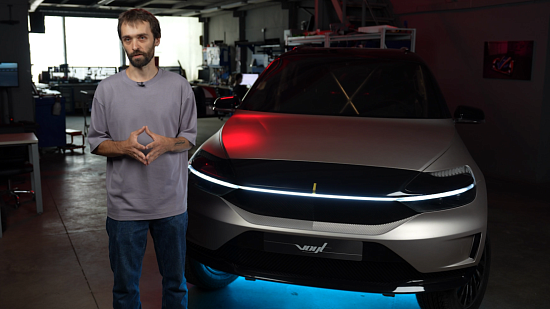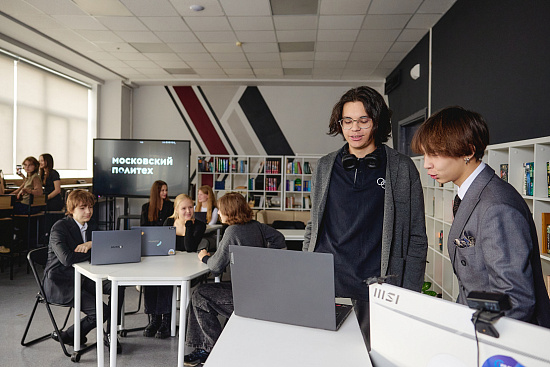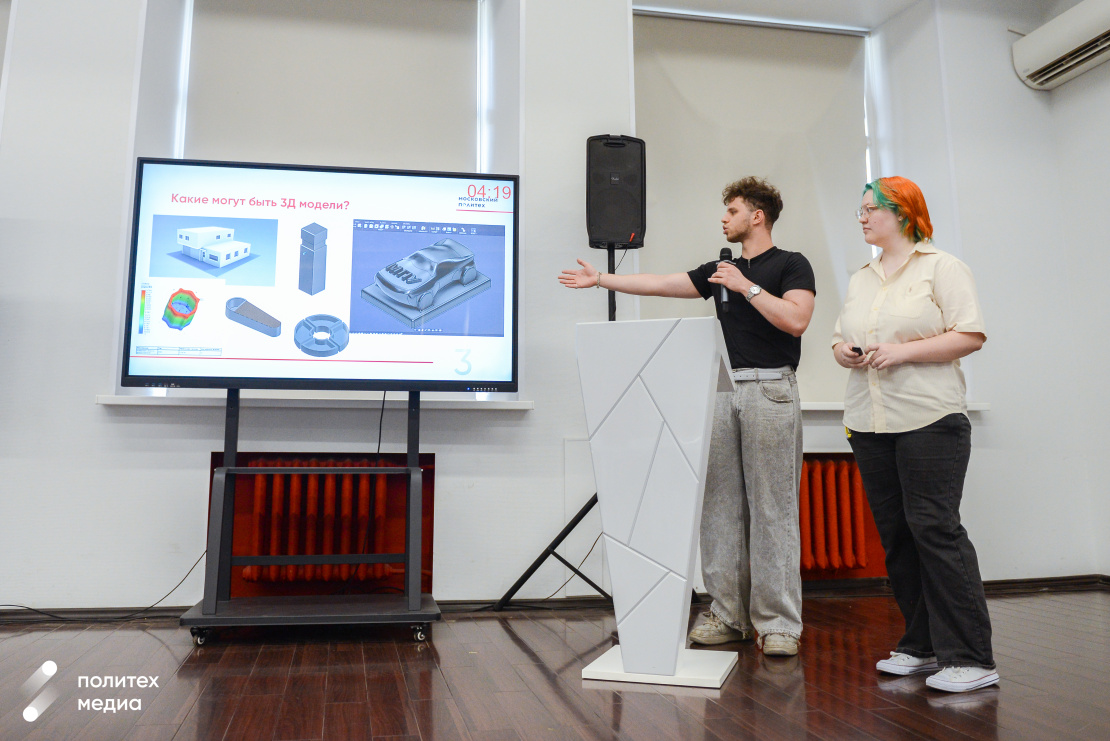
Moscow Polytechnic University hosted the final open defense of scientific projects implemented as part of their project-based activities. Students worked on 26 research projects and presented the results of their work through the academic year. All teams successfully completed the defense.
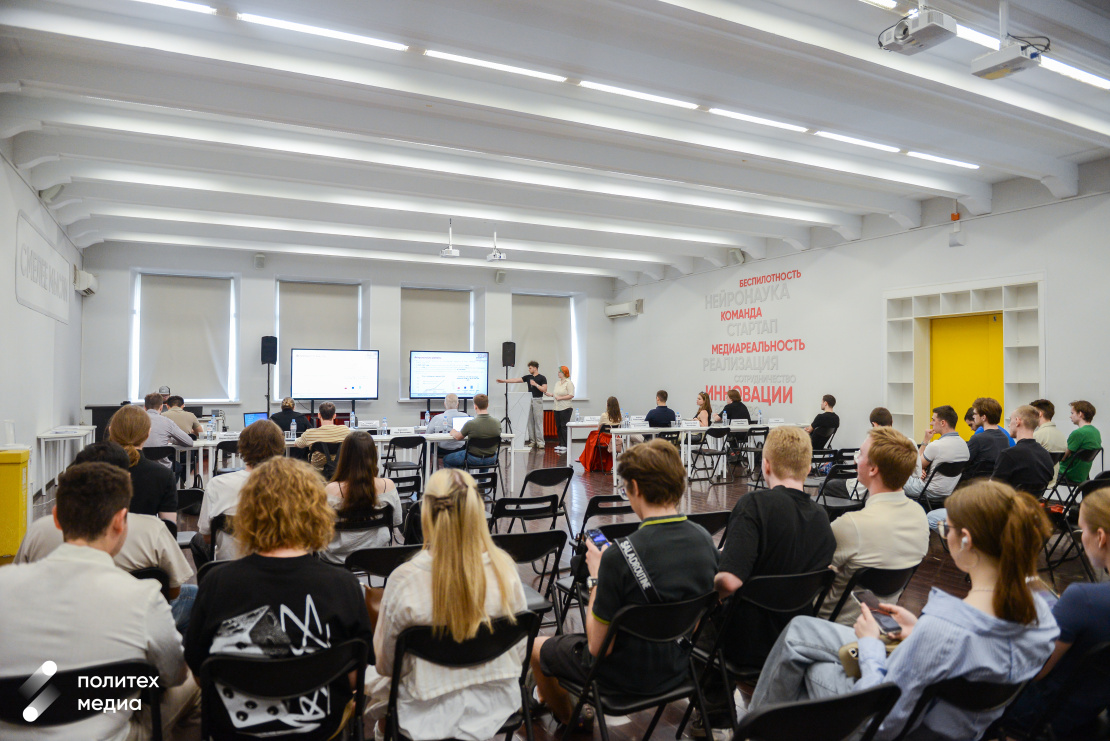
Student research groups presented projects they had been developing under the supervision of postdoctoral researchers who received P.L. Kapitsa grants of the second, third, and fourth stages at Moscow Polytech. Two popular science projects were also presented: "Science Kitchen" and "Creating Popular Science Content," supervised by Marianna Osminova, Head of the Youth Programs and Projects Office.
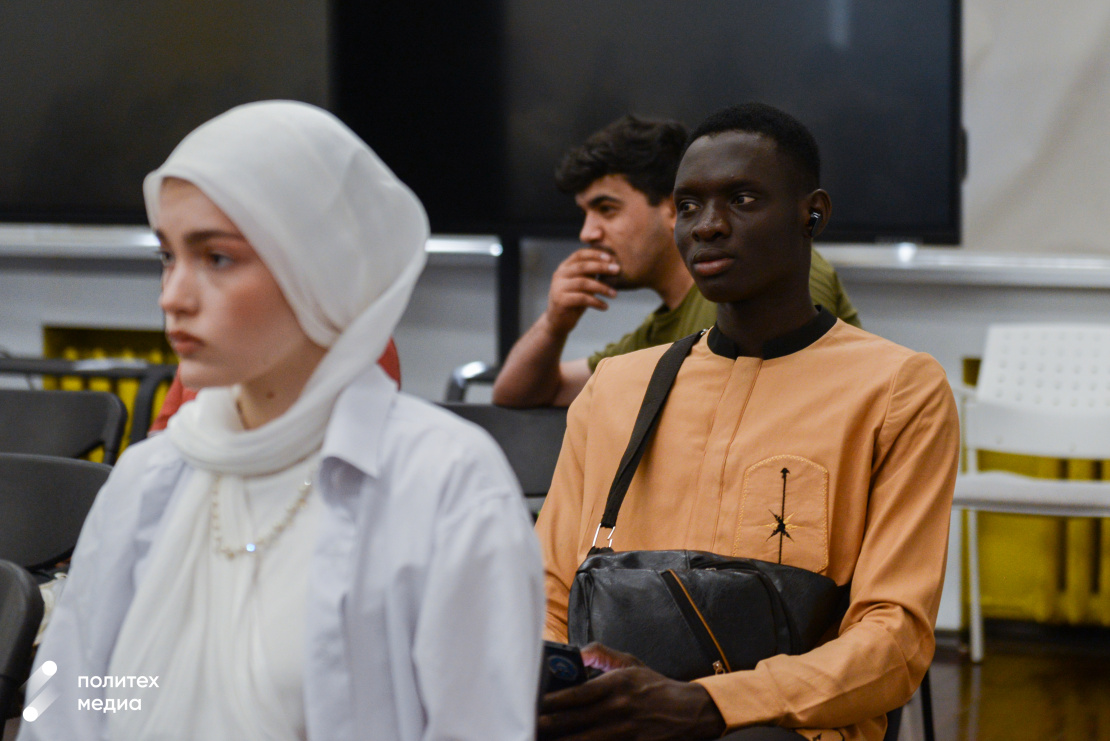
The experts highlighted several projects for their depth of research, including "Biosensor Technologies for Theranostics" (headed by Mikhail Karbyshev), "Production of Hybrid Organic Electrodes" and "Development of Technology for Obtaining Thin-Film Electrodes Based on Nanostructures" (headed by Alexey Shchegolkov), "Development of Technical Specifications for a Pop-Up Tsunami Early Warning Sensor" (headed by Marina Meshchankina), and Anna Shkalenko's project "Modeling an Intelligent Management System for the Sustainable Development of Territories of Moscow".
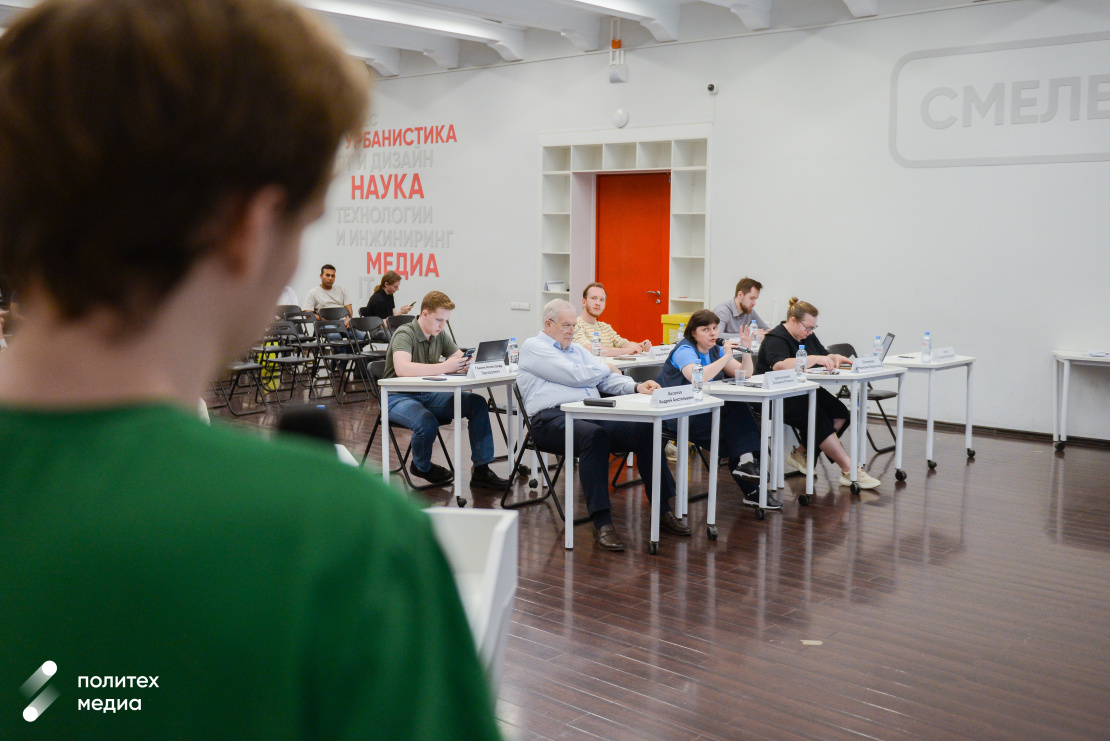
"Supporting student and early-career research is one of the key priorities for any university," said Andrey Aksenov, Professor and Chairman of the Expert Committee for the Research Project Track. "Moscow Polytechnic University has two essential advantages that make it possible. The first is our project-based learning approach allows students to choose a research project, immerse themselves in scientific work, and determine whether this career path suits them. The second is the University’s system to attract postdocs through the P.L. Kapitsa Grant Program. These early-career scientists have a very specific task – to complete a major research project in three years while actively engaging students through the 'Project Activity' course."
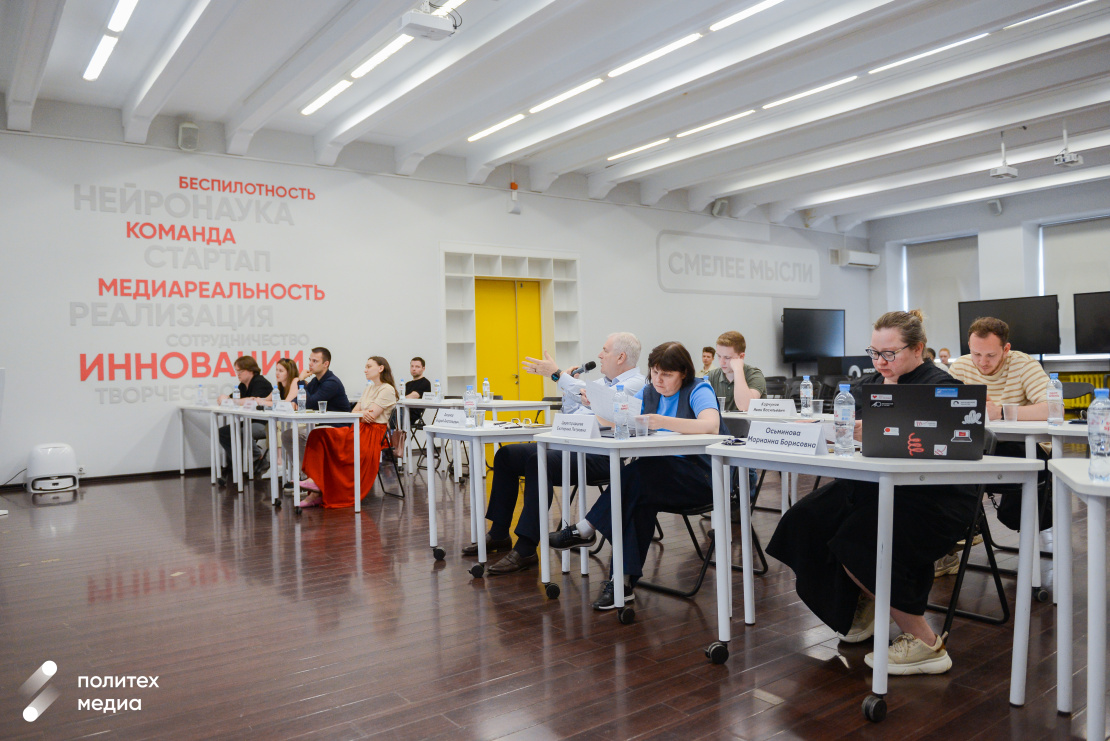
Moscow Polytech's scientific and project work model enables students to tackle real challenges of science and technology and create a resume portfolio during their studies. This reflects the University's practice-oriented educational approach, where project-based learning brings students together and serves as a core element of the academic programs.