Moscow Polytech Rector: Training of Engineers is Inseparable from Real Production
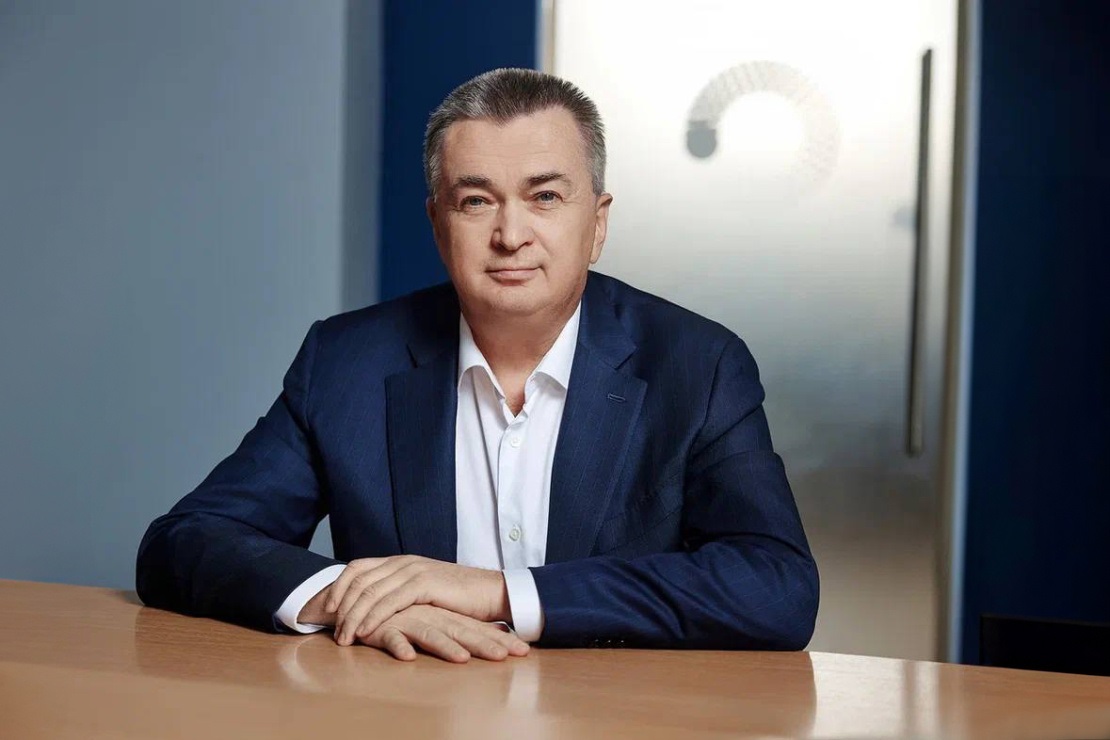
Moscow Polytech builds the training of engineers in such a way that the students could enter the labor market already being adapted for the specific employer, but not started this process only after graduation with a diploma. About this Rector of the University Vladimir Miklushevskii stated live on RBC.
Rector believes that the problem of personnel shortage in industry is explained in many ways by the gap between studies and production. He sees the solution in the return to the practice, by which Soviet engineering school traditionally was distinguished by: students must work in a specialty already in the process of studies.
In Moscow Polytech, project activity is obligatory for all the students fr om the first year. The project are implemented under the order of industrial partners, and, the higher the course is, the more realistic the tasks are. For a part of them, the industrial companies pay directly.
Starting from the second or the third year onwards, the students, as a rule, work in their future specialty. The staff of the university itself facilitate this: at certain faculties about a half of faculty staff members are acting specialists from the industry. They teach specialized courses, transfer practical experience and factually act as intermediaries between a student and a future employer.
“We, probably, are not inventing anything fundamentally new. This is what the Soviet education system has always been strong for - practice, evening departments, and work in industry in parallel with the studies. In a number of faculties up to 50 per cent of teachers are the people from industry, they teach specialized courses. A student is watching closely his future employer, and an employer is looking at a student. This is very important: already in the process of studies a human is adapting to the future place of work”, - said Rector.
Vladimir Miklushevskii also underlined that Moscow Polytech develops a product-oriented model of education. The university has two advanced engineering schools wh ere students, teachers and industrial partners jointly create real technological products – starting from components for automotive industry up to the solutions in the sphere of electric transport, unmanned systems and promising production technologies.
According to Rector, this very model allows graduates to receive not only a diploma, but also a portfolio of implemented projects, working experience in engineering teams and often a job offer even before graduation from the university.
The topic of staffing technology leadership will be continued at the international industrial exhibition INNOPROM, which will start on July 06 in Yekaterinburg. Moscow Polytech is a partner of the forum. Vladimir Miklushevskii will take part in the session on July 06.