Moscow Polytechnic University Expert Contributes to "The Future of BRICS" Research
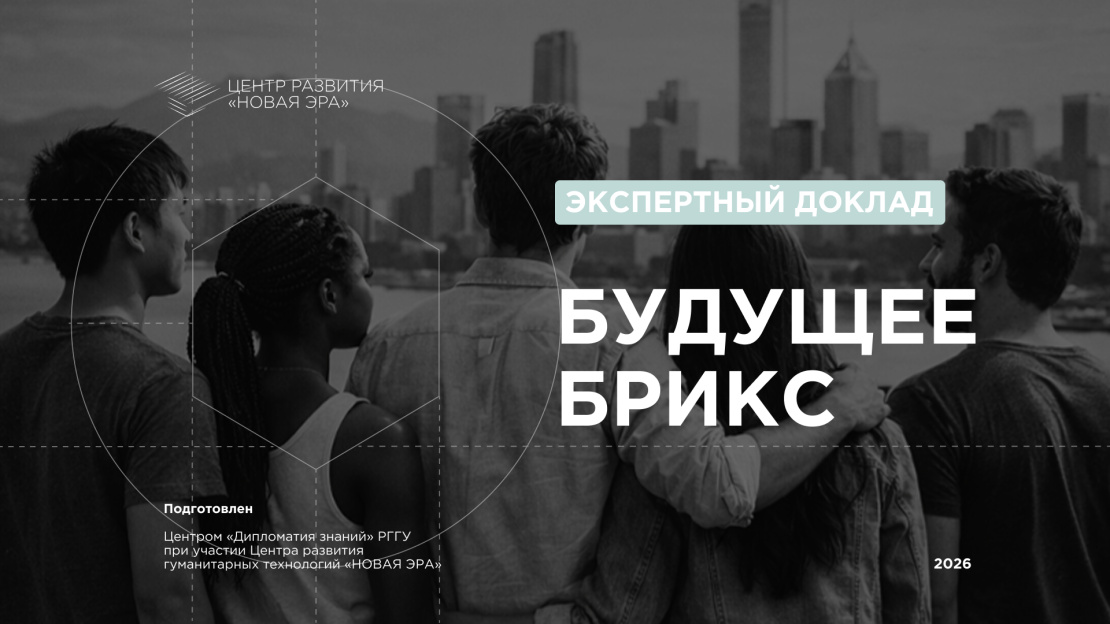
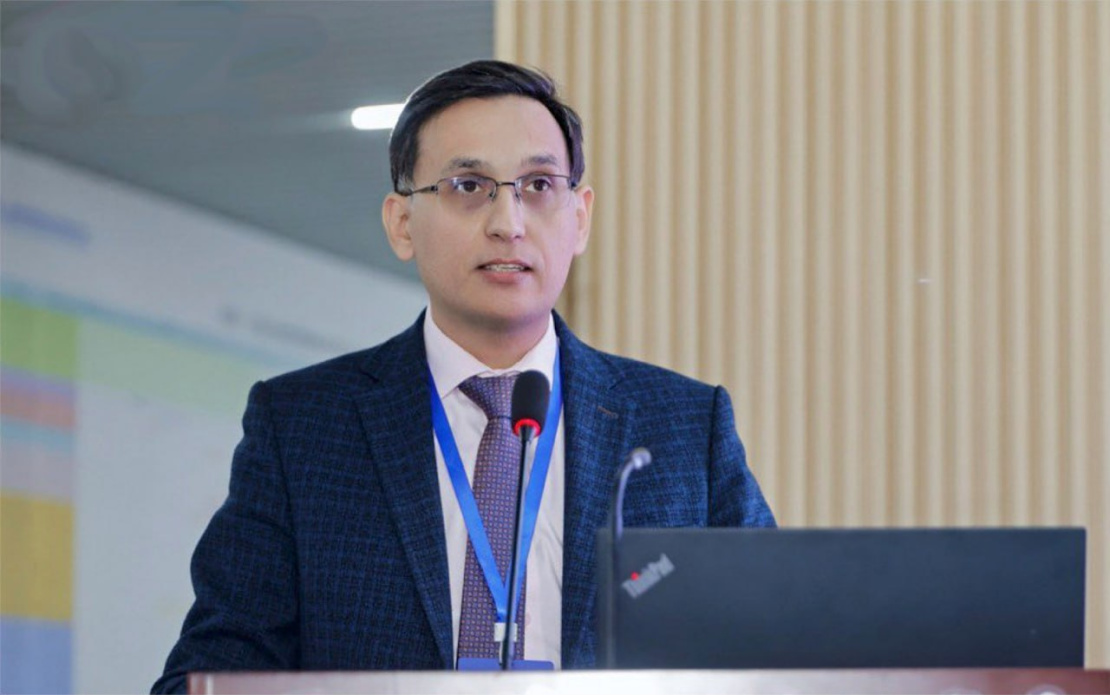
Nazir Magsi, a lecturer in the Management Department at Moscow Polytechnic University, participated in the research project "The Future of BRICS: From a Platform of Opportunities to a Multipolar World." The expert report consolidated input from over 25 specialists from BRICS nations. Commissioned by the Russian Ministry of Science and Higher Education, the study was prepared by the Knowledge Diplomacy Center at the Russian State University for the Humanities and the "NEW ERA" Center for the Development of Humanitarian Technologies.
The organizers extended special thanks to representatives of Moscow Polytechnic University for their assistance in preparing the report. In the course of the research, the university helped engage experts from BRICS countries and the Global South, including from Ethiopia (Bahir Dar University) and Pakistan (FUUAST University). This broadened the geographical scope of the expert assessments and strengthened the report's focus on humanitarian and educational dimensions.
Together with politicians, public figures, and academics from Brazil, Russia, India, China, South Africa, Vietnam, Iran, Colombia, Pakistan, and Ethiopia, Moscow Polytech lecturer Nazir Magsi addressed questions in three key research areas: the strategic significance and evolution of the association, the perception of BRICS among youth in member countries, and recommendations for strengthening the bloc.
In particular, when asked "What trends can be noted in the development of the BRICS association?" Nazir Magsi responded:
"The key trend in BRICS development is the formation of global yet simultaneously regional centers of economic growth. The world economy is increasingly moving away from a single globalization model toward region-centric economies, which can be either mono- or polycentric in structure. Today, BRICS already unites countries that serve as cores of their macro-regions: Russia for Eurasia, China for East Asia, India for South Asia, South Africa as an emerging center for Africa, and Brazil as the core of Latin America. In this sense, BRICS is forming not merely an alliance of countries but a platform for interaction between regional economic centers possessing significant demographic, resource, industrial, and technological potential."
Nazir Magsi identified the most effective formats and tools for cooperation within BRICS as those that ensure real economic autonomy for the association and reduce dependence on external regulatory centers.
"First and foremost, these are financial instruments. Developing and expanding mechanisms for settlements in national currencies, strengthening the role of the New Development Bank, and creating alternative payment and clearing systems help mitigate currency and sanctions risks while building a resilient financial infrastructure within the association. The second key direction is forming trade and economic tools comparable in functionality to WTO mechanisms but based on principles of fair competition, equal market access, and the absence of politically motivated control... Developing production and technological cooperation is also promising... Special attention should be given to humanitarian and institutional formats: cooperation in education, science, talent development, and the exchange of management practices. These tools create a long-term foundation of trust and ensure the reproduction of human capital. In the future, the most effective model will combine flexible dialogue formats with gradually strengthening practical cooperation instruments. This approach will allow BRICS to maintain openness and adaptability while simultaneously building its own economic ecosystem."
For more details, the full report is available along with the research center's dedicated Telegram channel.