Moscow Polytech Develops Technology for Laser Growth of Gradient Metal Components
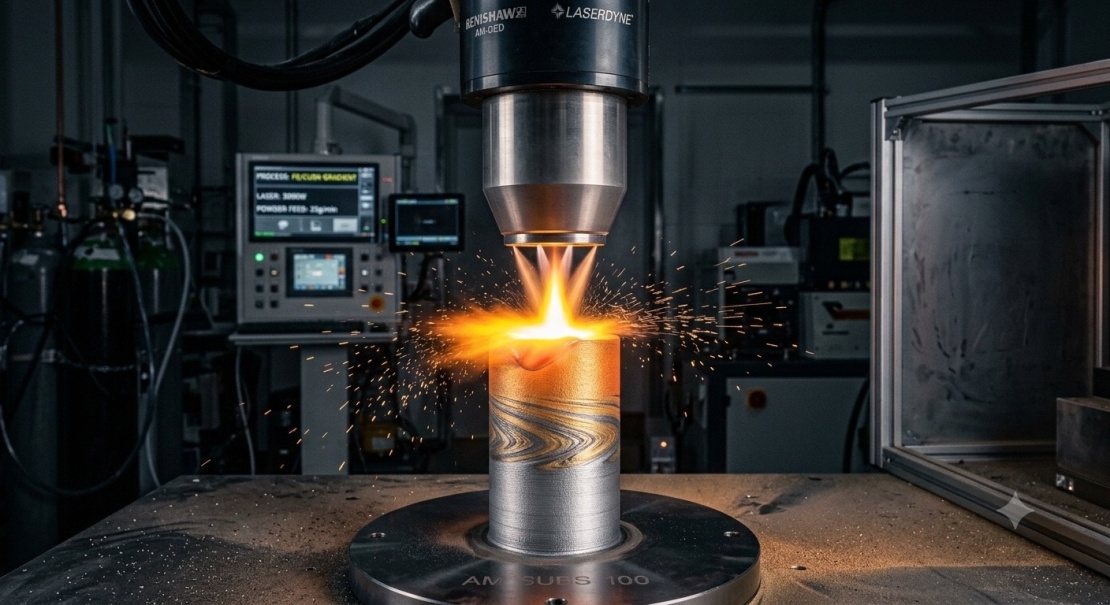
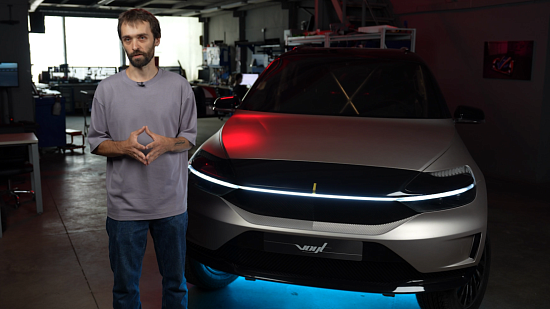
Moscow Polytechnic University has begun developing a technology for direct laser deposition of metal components, which will make it possible to join dissimilar materials, such as bronze and steel, without welding and other assembly operations. The project is led by Konstantin Makarenko, who has joined the University as Associate Professor, a laureate of the P.L. Kapitsa Grant competition for young scientists. The competition is held as part of the federal "Priority 2030" program of strategic academic leadership.
The technology involves layer-by-layer application of metal powders and their melting with a laser beam, with a smooth change in the chemical composition along the volume of the component. The result is a monolithic structure in which the properties of one material gradually transition into those of another, without the sharp boundary typical of welded and brazed/soldered joints, the creation of which for these alloys is itself a non-trivial task. It is such boundaries that most often become the weak point of a structure: mechanical stresses accumulate at the junction of different metals, which leads to cracks and premature destruction of components. At the same time, the elimination of assembly operations from the technological process creates potential for increased accessibility, economic efficiency and productivity.
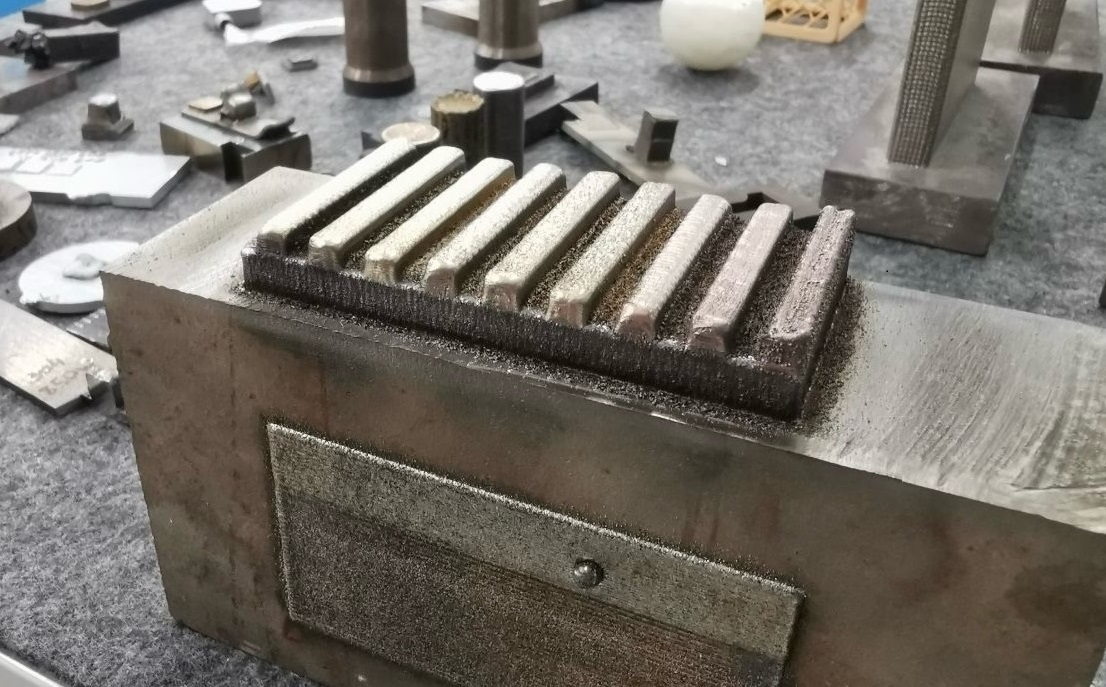
The main application area for the technology will be rocket and space instrumentation, in particular the manufacture of combustion chambers and other elements of rocket engines. Such units require both the high thermal conductivity of a copper alloy to dissipate heat and the strength of the steel to withstand pressure. Now these materials are connected by a combination of assembly operations, including capillary brazing/soldering and welding, which creates a number of significant limitations and difficulties.
"We are not simply creating a component from two metals, but a single gradient structure in which one material smoothly flows into another, meaning that bronze and steel together form a new, more complex and advanced alloy. This eliminates the seam as such and turns the structure itself into a monolithic and integral one," Konstantin Makarenko explained.
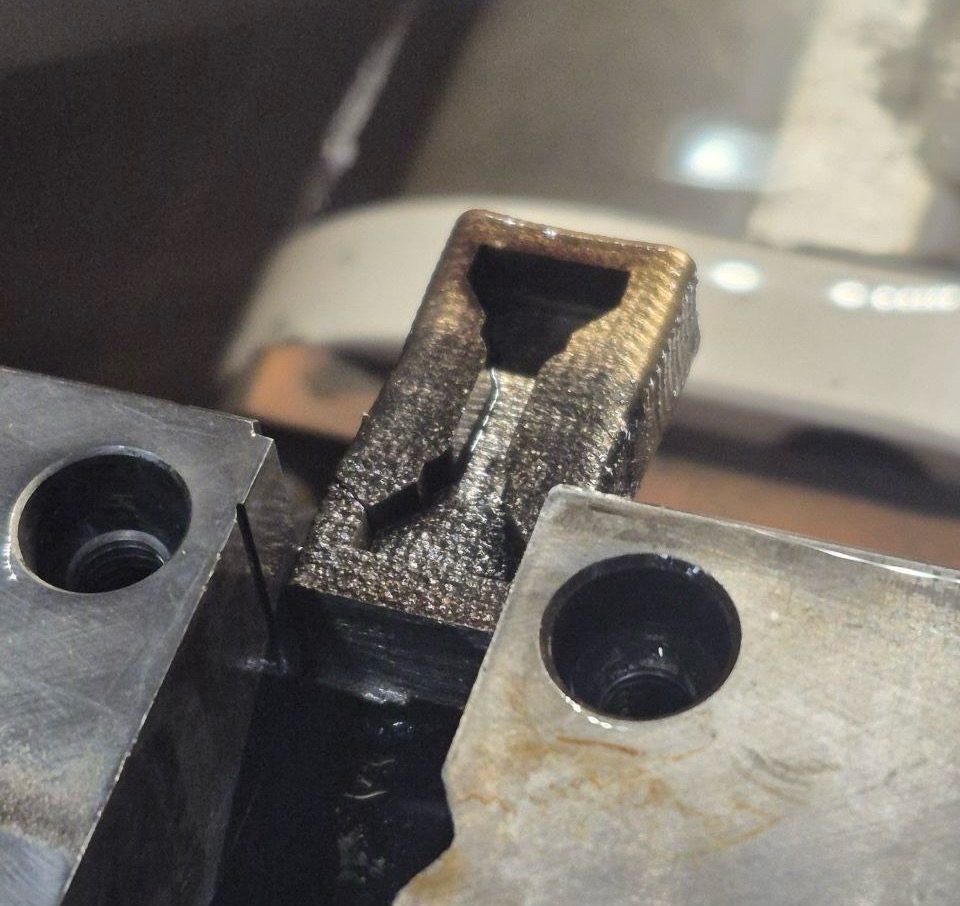
According to the developer, the key scientific challenge lies in controlling the transition zone between metals with different melting temperatures, crystal lattice parameters and thermal expansion: without precise control of the printing modes, pores, cracks and brittle inclusions form there. To solve this problem, Moscow Polytech is developing thermomechanical and microstructural models of the process, which will make it possible to predict material behavior in advance and sel ect printing modes that minimize defects.
In addition to rocket technology, the method can be used in the production of turbine blades in aircraft engineering, components for fusion reactors, and wear-resistant coatings in metallurgy.
Moscow Polytech students are involved in the project: in 2025, the module "3D Printer with Gradient Metal Printing" was launched as part of the "Project Activity" discipline. The 15 students fr om various fields of study taking part in the module, together with PhD students from NUST MISIS and the Institute for Design-Technological Informatics of the Russian Academy of Sciences (RAS), master the full cycle of creating such materials, from modelling to testing finished samples.
Background: Konstantin Makarenko holds a PhD in Mathematics and Mechanics from the Skolkovo Institute of Science and Technology, and is a graduate from Bauman Moscow State Technical University and the Moscow Institute of Physics and Technology. He is also a co-founder of the "Solid Line" Design Bureau. He has more than ten years of experience in additive technologies, seven of which have been dedicated to working with functionally-graded materials.