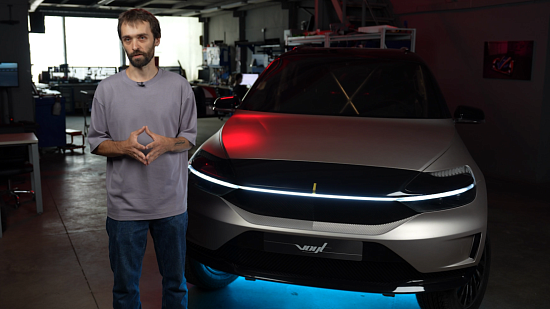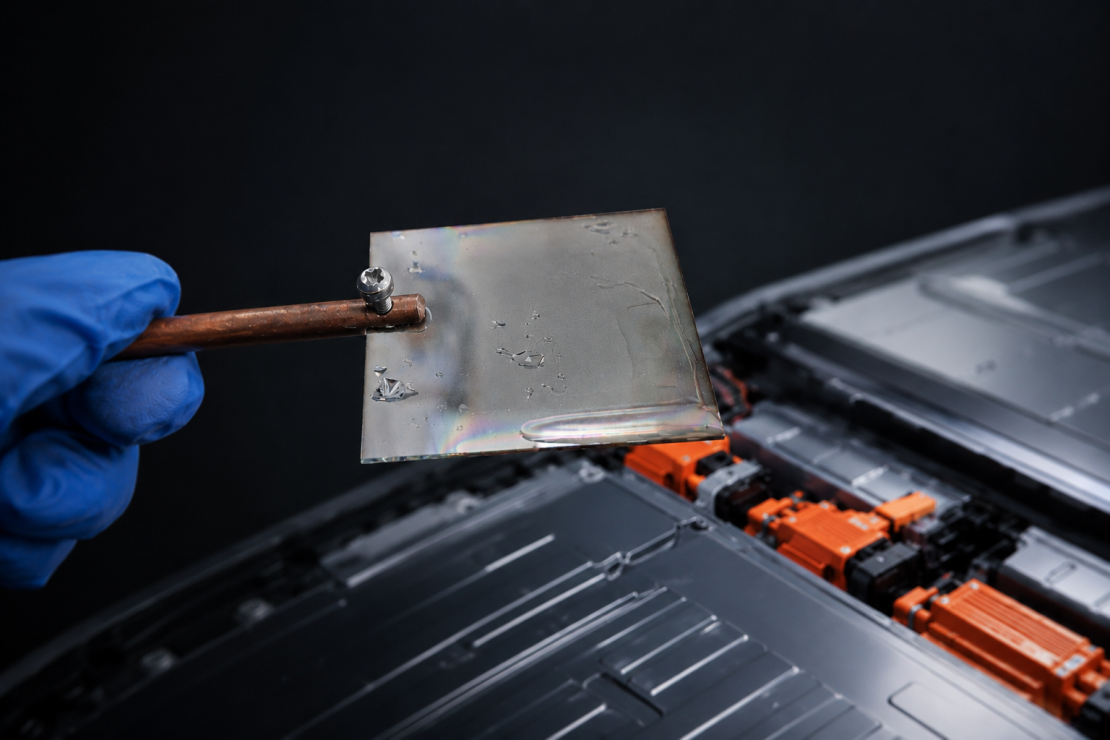
Moscow Polytechnic University is developing new electrode materials for lithium- and sodium-ion batteries and supercapacitors, intended for energy storage systems used in electric vehicles. The research is being implemented with the support of a grant named after P.L. Kapitsa fr om Moscow Polytech under the federal "Priority 2030" program. The project is featured by the TASS (Russian News Agency).
Lithium-ion batteries remain the primary energy source for electric vehicles today, but they have significant limitations. At low temperatures, battery capacity decreases by 40–50%, dramatically reducing driving range. Under high loads, there is a risk of thermal runaway, in which the battery overheats, may catch fire, or begin releasing gas. Cost is another important issue: electrodes account for nearly 60% of the total cost of the device. At the same time, Russia still lacks a domestic lithium-ion battery manufacturing technology, with most production relying on foreign materials and technologies. Supercapacitors can partially compensate for the weaknesses of batteries. They charge in seconds, withstand hundreds of thousands of charge-discharge cycles, and operate reliably under extreme temperatures. In a hybrid system, the supercapacitor handles peak loads – such as rapid acceleration or braking – while the battery provides the primary energy reserve. This combination extends battery service life and improves the overall efficiency of the electric vehicle's energy system.
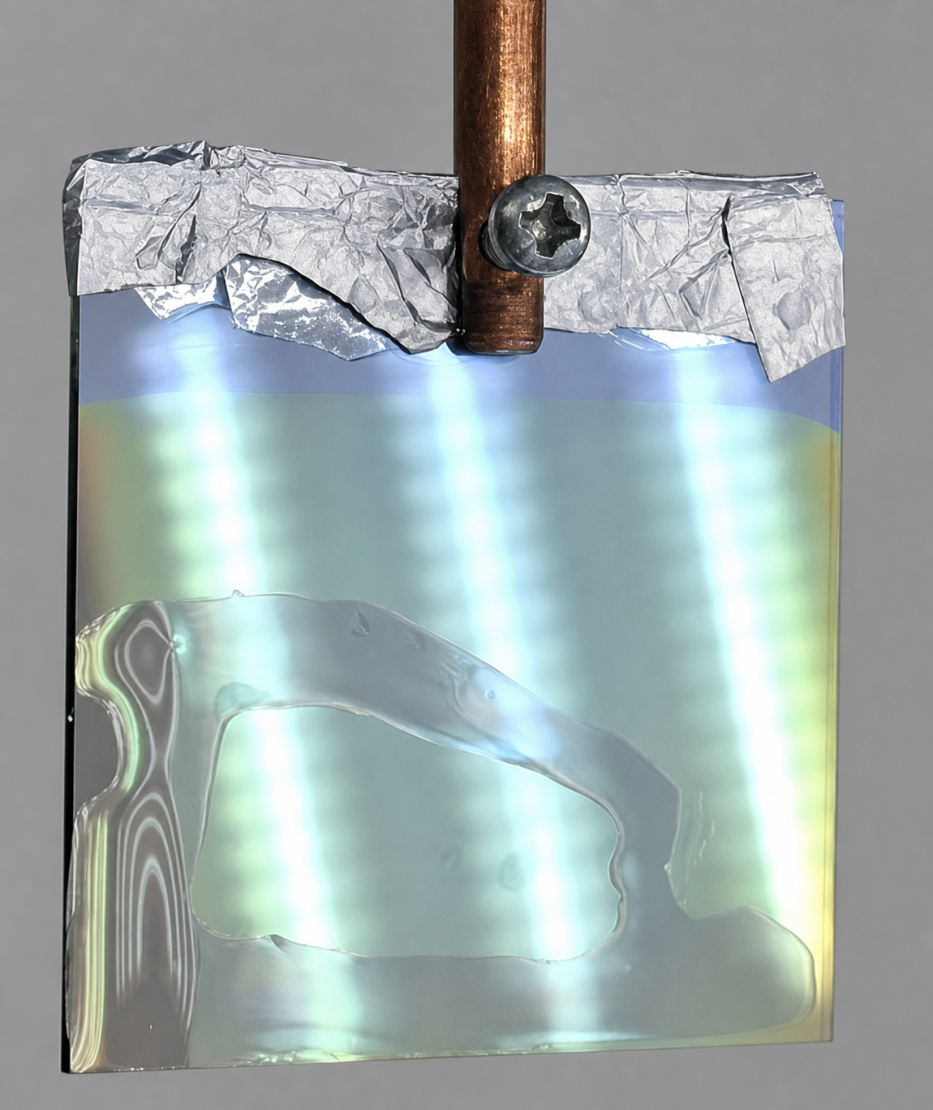
Mospolytech's engineers development is based on thin films of nanostructured tungsten oxide deposited onto electrically conductive substrates using the electrochemical (cathodic) electrodeposition method. This approach makes it possible to produce electrodes with an ordered structure and a large specific surface area, which directly affects both the energy storage capacity and charging rate of the device. The samples obtained so far demonstrate impressive electrochemical performance: the specific capacitance reaches 630 F/g for supercapacitors and 685 mAh/g for lithium-ion batteries, approaching the theoretical lim it for WO₃-based electrodes (693 mAh/g for lithium-ion systems and over 1,000 F/g for pseudo capacitive supercapacitor materials). These results are comparable to the world's leading counterparts and, in some cases, exceed the performance of widely used electrode materials. In addition, tungsten oxide changes its light transmittance under the influence of electric voltage, which opens up the possibility of using the same materials in "smart" glasses with adjustable transparency and protective coatings against electromagnetic radiation.
"Our goal is to develop a domestic technology for producing electrode materials that outperform foreign analogues in key parameters, including specific capacity, charging rate, and operational safety," said Associate Professor Alexey Shchegolkov, the project leader. "The created materials are characterized by high versatility and can be effectively used in lithium- and sodium-ion batteries, supercapacitors, and functional coatings, which forms the foundation of a unified domestic platform for electrochemical energy storage systems, including solutions for electric transport. As part of the project, we have already mastered cathodic electrodeposition technologies for thin-film coatings based on WO₃, MoO₃, Prussian blue, and reduced graphene oxide. These materials show high potential not only for energy storage systems but also for electromagnetic shielding and sensing applications. In the near future, it is planned to introduce reactive magnetron sputtering methods to fabricate next-generation thin-film electrodes for use in supercapacitors as well as lithium- and sodium-ion batteries."
The project is planned for three years. During the first year, the researchers will work out the synthesis technology and modes of applying tungsten oxide films, and conduct their electrochemical tests. In the second year, a prototype of hybrid energy storage systems will be manufactured and tested under laboratory conditions. During the third year, the team will develop technological regulations and prepare recommendations for industrial-scale implementation. Students from relevant academic programs will participate in the project. Research partners include Platov South-Russian State Polytechnic University and PJSC "Energiya", the city of Yelets.