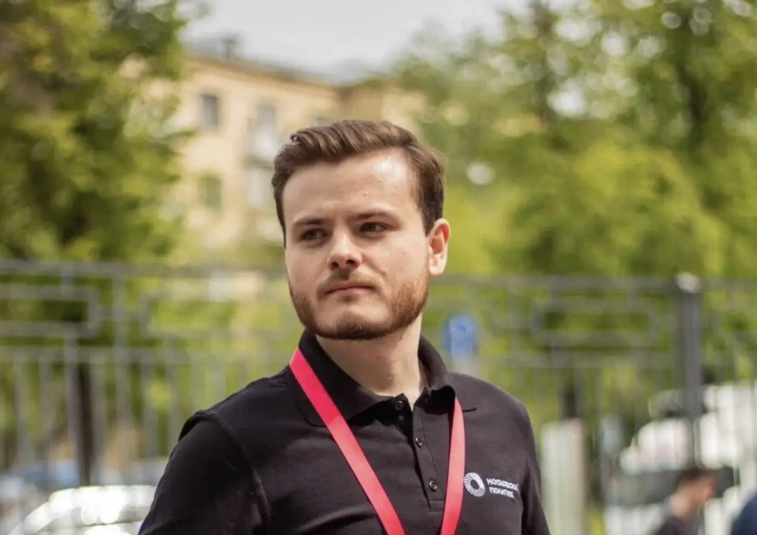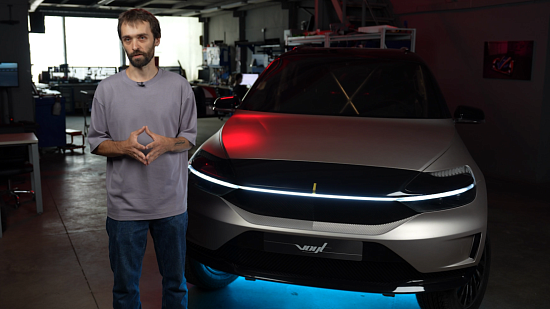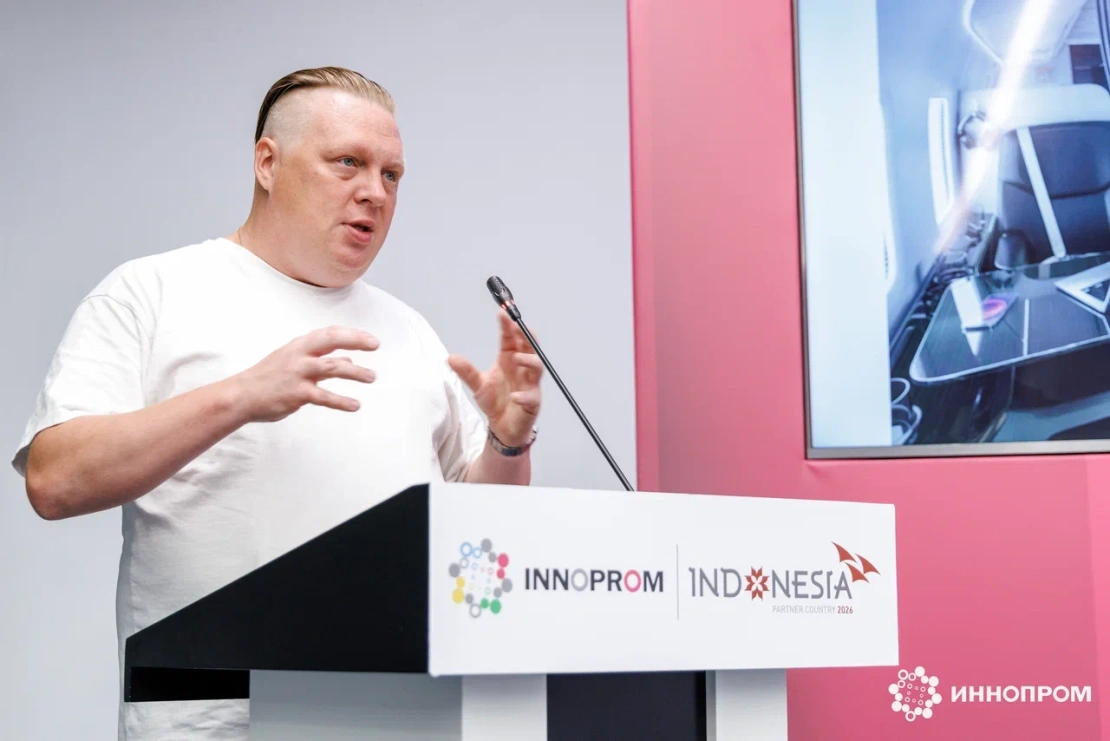
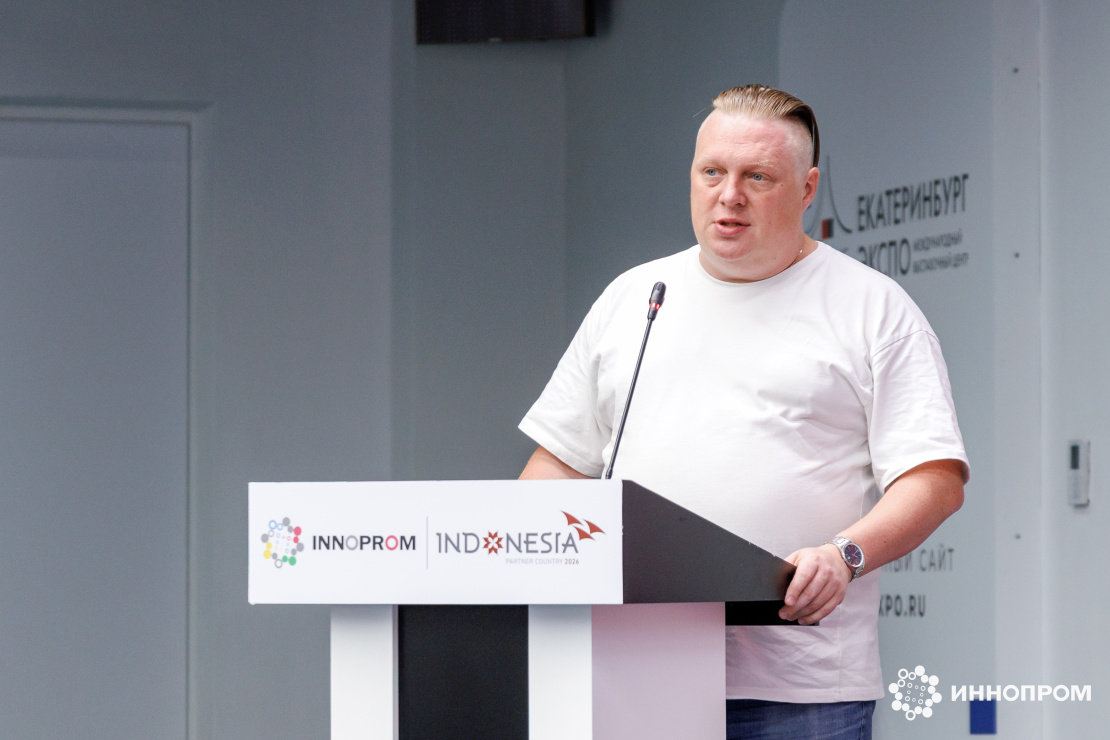
An expert from Moscow Polytechnic University has explained how composite materials, additive manufacturing, and electric propulsion are transforming aircraft design and accelerating the transition to uncrewed aviation. Speaking at the INNOPROM 2026 session “Transport Engineering: Technical Aesthetics and Next-Generation Industrial Design,” Alexander Pavlov, Head of the Project Office of the Advanced School of Engineering Design at Moscow Polytechnic University, discussed the technological trends shaping the future of civil aviation.
According to Pavlov, aviation remains one of the most advanced yet conservative industries. However, the challenges facing the sector have become a driving force for innovation, creating new market opportunities and expanding the role of engineers and industrial designers.The first changes are taking place in materials and manufacturing technologies. Composite materials, additive manufacturing, and generative design—where algorithms optimize component geometry based on expected loads—are replacing traditional engineering approaches. These technologies remove previous design limitations and enable entirely new aircraft configurations.
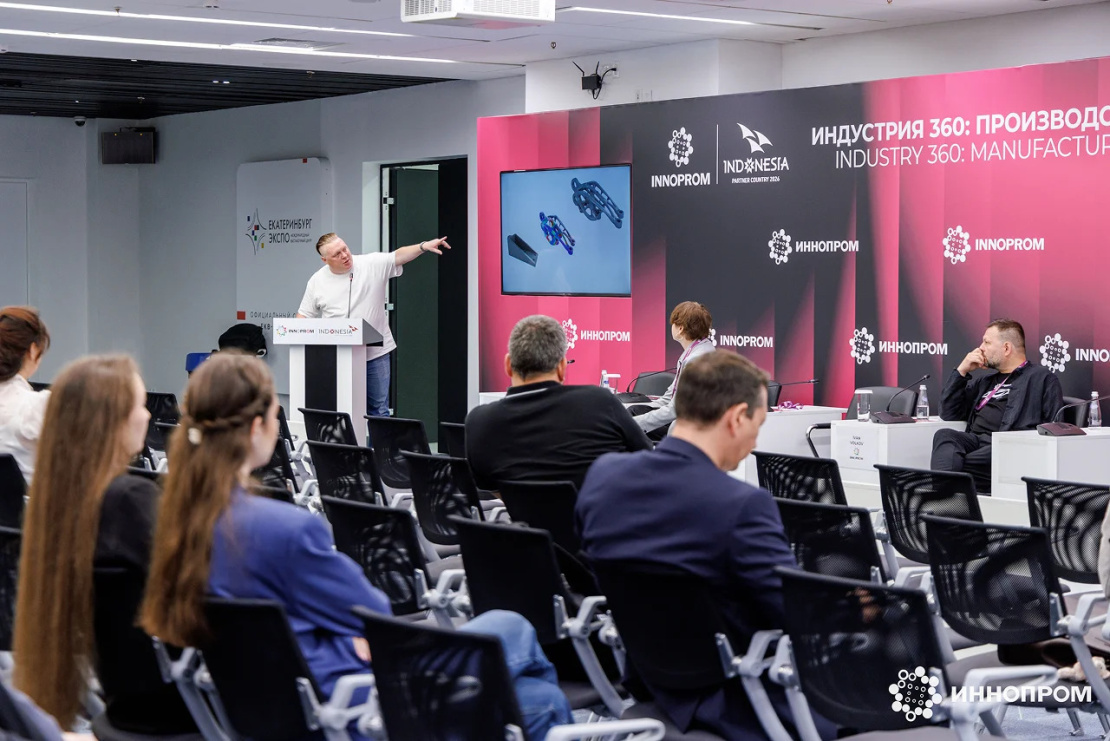
The next major step is electrification. Pavlov believes that electric aircraft are becoming a long-term part of the aviation industry and are already reshaping the appearance of future aircraft. Electric propulsion systems require different layouts, replacing conventional aircraft designs with vertical take-off and landing (VTOL) configurations featuring multiple distributed propellers. Unlike traditional aircraft, these vehicles do not require runways, significantly expanding the range of locations wh ere they can operate.
Electric propulsion and simplified mechanical systems also pave the way for greater automation. As aircraft become easier to operate and maintain, industrial design increasingly focuses on creating intuitive, user-friendly solutions.
As an example, Pavlov referred to a light business jet that combines the appearance and ease of operation of a premium automobile with advanced aviation technologies, including a whole-aircraft parachute recovery system. He described this type of aircraft as an important transitional step toward fully automated flight.
“Automation is gradually relieving people of piloting responsibilities, and in many aviation applications human involvement in aircraft control is becoming unnecessary,” said Alexander Pavlov.
Uncrewed aerial systems have the potential to transform logistics, particularly in remote and hard-to-reach areas, by enabling rapid cargo delivery and supporting emergency services. These systems range from compact delivery drones to large vertical take-off cargo aircraft.
According to Pavlov, the role of industrial designers becomes even more important at this stage. In addition to developing efficient and visually appealing products, designers must ensure that people are willing to trust and adopt new technologies. A friendly and approachable design helps build public confidence in autonomous aircraft, which will be a key factor in their successful integration into everyday life.
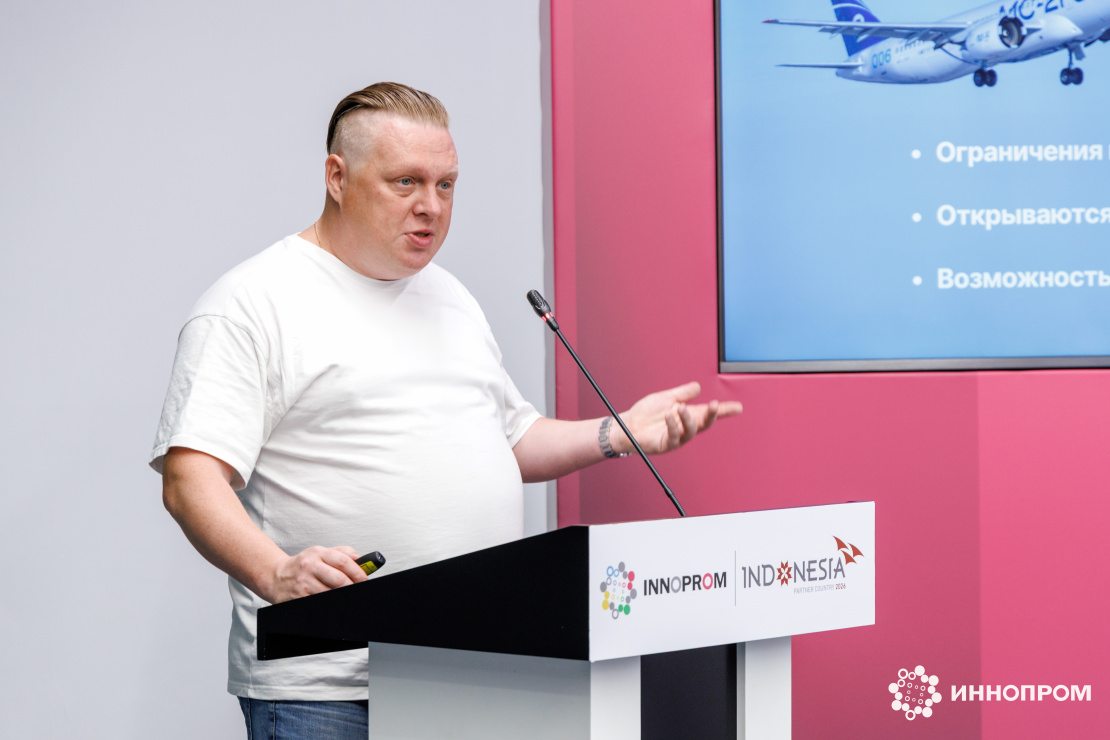
Alongside his work at Moscow Polytechnic University, Alexander Pavlov also serves as Marketing Director of Avia-Concept.