Business Journalism (Journalism)
Institute of Publishing and Journalism
About the program
30
State-funded places
About educational program
Full-time (Intramural)
Duration
4 years
Number of places
State-funded — 30
fee-paying — 58
fee-paying — 58
Tuition fee
415 000 rub.
(2026)
(2026)
Entrance tests and minimum scores (fee-paying)
State-funded
Fundamentals of Journalism — 40 points marks
Russian language — 55 points marks
Literature — 55 points marks
Russian language — 55 points marks
Literature — 55 points marks
Minimum passing score for the previous academi year
State-funded
Admission score — 278 (2025)
National State Examination Average score — 91,83 (2025)
National State Examination Average score — 91,83 (2025)
fee-paying
National State Examination Average score — 67,17 (2025)
MAIN ACADEMIC BUILDING
Moscow, Avtozavodskaya st., 16/4
HEAD OF THE PROGRAMM
Sheremet Alexander Nikolaevich
ADMISSION OF FOREIGN CITIZENS
possible
ADDITIONAL INFORMATION AND USEFUL LINKS
Documents
Program FAQ
Results of Russian and literature State exam, internal tests: essay on Russian language and Literature and Interview.
The exam is offered three or four topics : the first topic in Russian literature of the first half of the nineteenth century; the second topic is about Russian literature of the second half of the nineteenth century; the third topic is about Russian literature of the XX century; the fourth is about Russian Literature of XX century (works for choice of University applicant).
Applicants are offered a choice of 3 topics, 40 minutes given to get prepared, then in turn, the applicants answer the selected topic to the members of the examination Committee. During the interview, the applicant may be asked additional questions.
Points are not added, but applicants with professional experience in the media usually get higher scores at the interview.
Career opportunities
Positions of graduates "Periodical Publication and Multimedia Journalism"
Correspondent, press officer, copywriter, news producer, content manager.
Professors

Шеремет Александр Николаевич
кандидат социологических наук, доцент кафедры, ведущий научный сотрудник ФНИСЦ РАН
Специалист по общей социологии, социологии журналистики и массовых коммуникаций, корпоративных медиа.
Толчинский Леонид Григолрьевич
кандидат социологических наук, и.о. заведующий кафедрой «Журналистика и массовые коммуникации имени М.Ф.Ненашева»
Специалист по медииаменеджменту, внедрению цифровых технологий в процесс создания и продвижения контента, медиасоциологии.
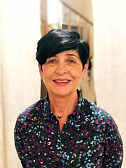
Распопова Светлана Сергеевна
Доктор филологических наук, профессор кафедры «Журналистика и массовые коммуникации имени М.Ф. Ненашева»
Специалист в области технологий, этики и права в СМИ и журналистике.

Уразова Светлана Леонидовна
Доктор филологических наук, профессор кафедры «Журналистика и массовые коммуникации имени М.Ф. Ненашева»
Специалист в области цифровых медиа в ракурсе адаптации наукоёмких технологий в информационное пространство России.

Волкова Татьяна Анатольевна
Кандидат филологических наук, доцент кафедры «Журналистика и массовые коммуникации имени М.Ф. Ненашева»
Специалист в области истории зарубежной журналистики, современным зарубежным СМИ и информационной политики.
Employer Partners
We work with non-profit, corporate and public organizations.
Students with the best results may be employed by our
partners after graduation.
Students with the best results may be employed by our
partners after graduation.